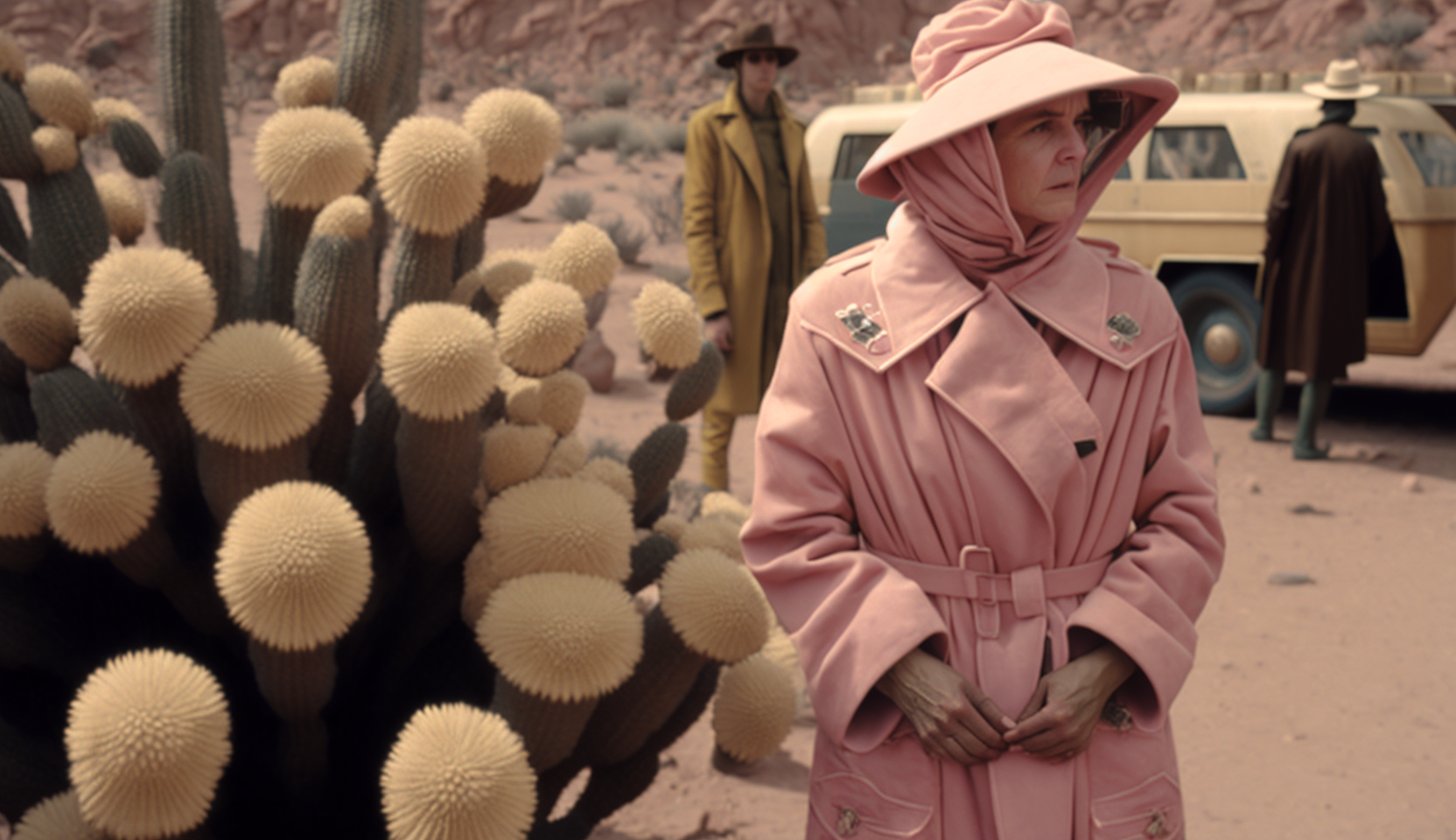
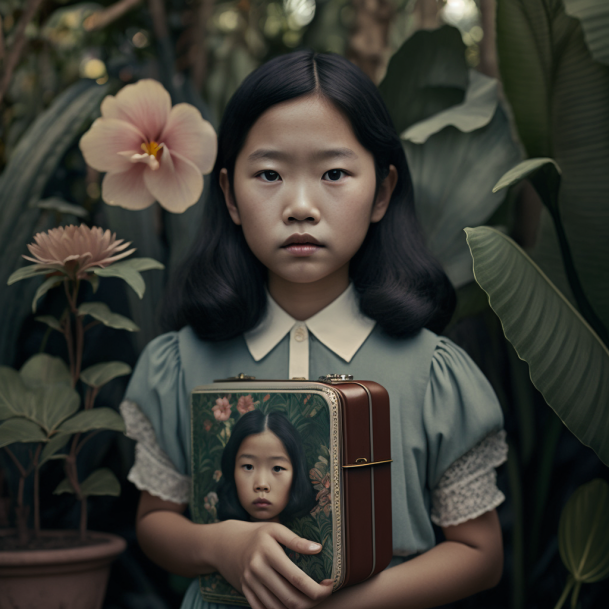
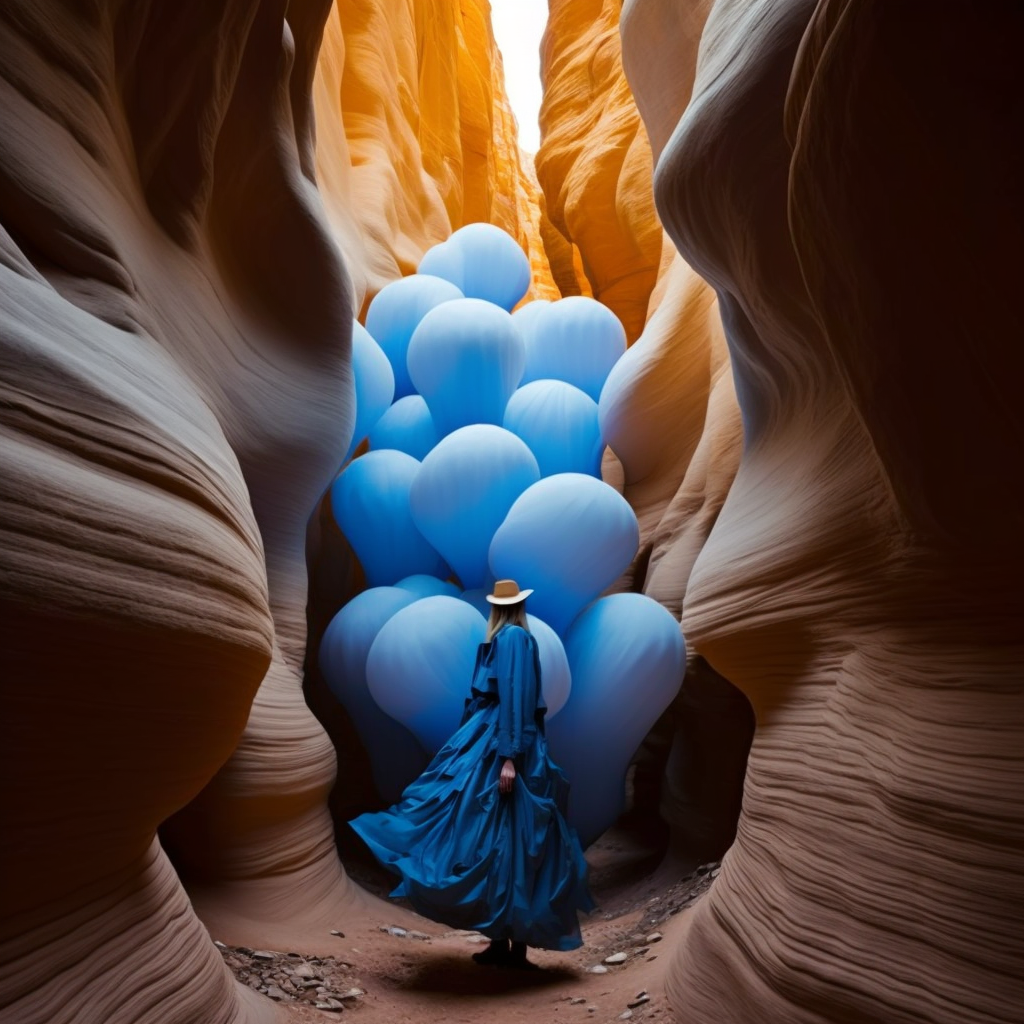
AI is already being used in a variety of ways in the art world, including generating art, enhancing existing artwork, and even creating interactive installations. One of the most significant ways that AI is affecting art is through the creation of generative art. Generative art refers to artwork that is created by an autonomous system, such as an algorithm or AI. This type of art can range from simple patterns to complex visualizations and is often used in digital media. AI-generated art is often created using machine learning algorithms that are trained on large datasets of images. These algorithms can then generate new images based on the patterns and styles they have learned from the data. Artists can use these algorithms to generate unique visualizations that would be difficult or impossible to create by hand. One of the most famous examples of generative art is the work of the artist and programmer Joshua Davis. Davis creates art using his own custom software, which generates intricate patterns and designs based on complex mathematical formulas. His work has been featured in galleries and museums around the world and demonstrates the incredible potential of generative art. Another way that AI is changing the art world is through the enhancement of existing artwork. AI-powered tools can be used to restore and repair damaged artwork, enhance the colors and details of paintings, and even create 3D models of sculptures. This technology allows art conservators to better preserve and protect artwork, ensuring that it remains in excellent condition for future generations to enjoy. Another influential artist is Refik Anadol, featured on our recent cover story of the Ecstasy Issue. Refik Anadol is a Turkish-born media artist who is at the forefront of the AI art movement. His work explores the intersection of art, science, and technology, using data and machine learning algorithms to create immersive installations that challenge our perception of reality. One of Anadol’s most famous works is “Melting Memories,” a series of installations that use machine learning algorithms to process EEG data and transform it into stunning visual displays. The result is a mesmerizing and immersive experience that blurs the line between technology and art, inviting viewers to explore the depths of the mind and the possibilities of the digital world. The future of artists with AI is incredibly bright, as this technology continues to evolve and improve. As AI becomes more accessible, artists of all backgrounds and skill levels will be able to incorporate this technology into their work. This will lead to a new era of art that is both more innovative and accessible than ever before. The use of AI in art is changing the way we create, experience, and interact with an artwork. From generative art to interactive installations, AI is transforming the art world in exciting and innovative ways. As this technology continues to evolve, we can expect to see even more groundbreaking work from artists who incorporate AI into their practice. Explore art, photography and design that inspires you. Discover new artists, Powered by Publications Social LegalThe Power of Generative Art

Be part of our
community
follow your favorites and connect with the creative community.
Arts & Culture
The Power of Generative Art