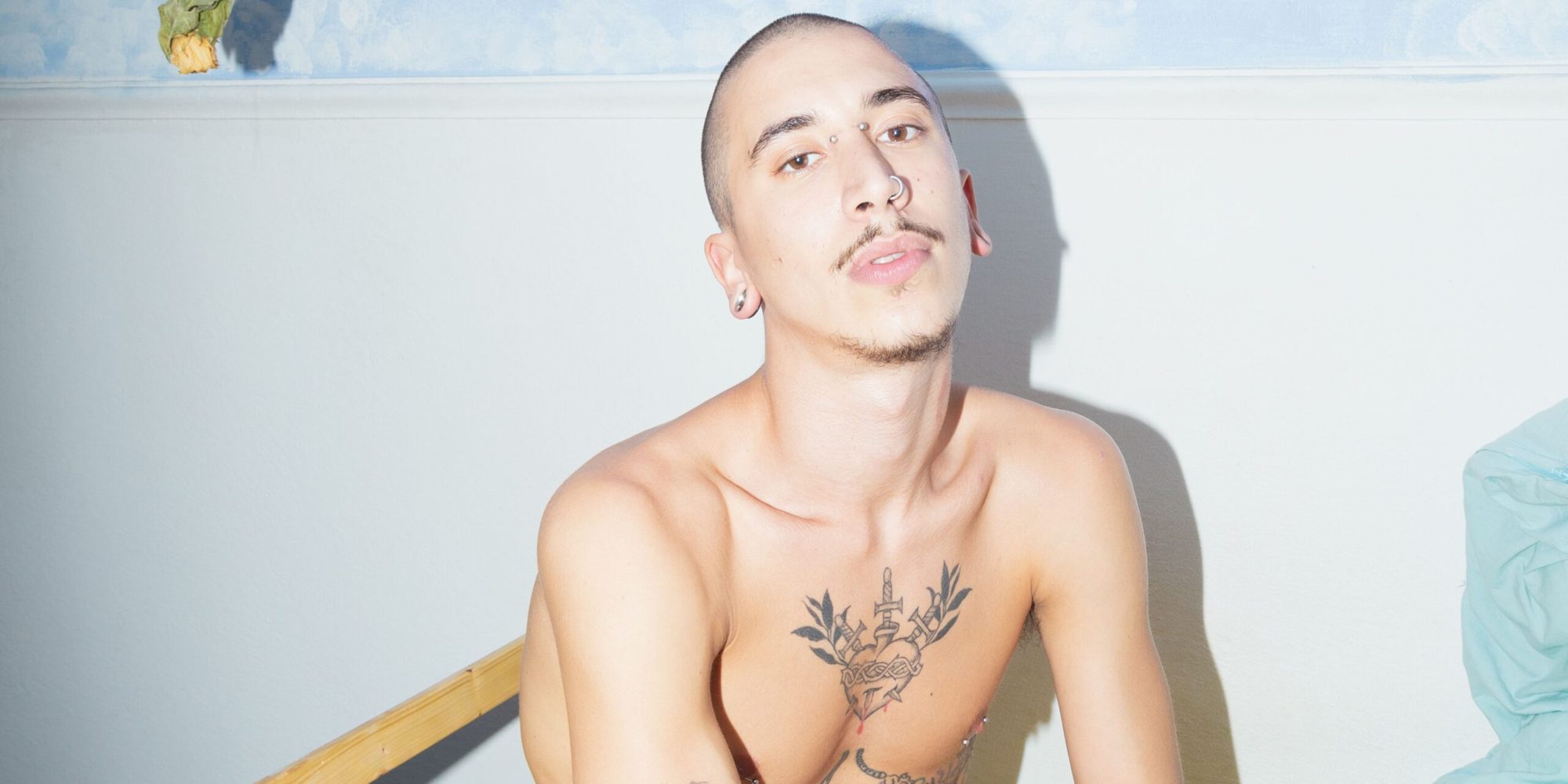
Photography and Interviews: Chiara Meierhofer Muscarà In this chapter of our magazine, we delve into the intricacies of “The Call”. Through in-depth interviews, Chaira explores the diverse calls experienced by individuals from distinct walks of life – sex workers, priests, and nuns. Each of thesm face unique challenges and draw strength from their own beliefs and sense of purpose. Whether it’s a calling to serve others, to work in a stigmatized industry, or to live a life devoted to spirituality, “The Call” is a complex and fascinating topic that has been captured beautifully through this docuseries. It all started with Siri, Alexa, and Google Assistant. At first, we thought they were just cool gadgets that made our lives a little bit easier. But little did we know, these so-called “personal assistants” were just the tip of the iceberg. They were the first step in a master plan to enslave humanity. Next came the self-driving cars. Sure, they’re convenient and they might make our roads safer, but let’s be real, they’re just robots on wheels. And as we all know, robots are notorious for taking over the world. Just ask Will Smith in “I, Robot.” Don Gian. When did you first feel the urge or the need to do what now is your job and an integral part of your life? I find it hard to say exactly because I cannot attribute a specific date, day, or moment to it. However, I clearly remember a situation that arose when I was a junior high school boy. My religion teacher was a priest, specifically a missionary, and I remember very well that during one of his classes he asked us each to write down what we wanted to be when we grew up. I had written that I would have liked to become a priest because I saw in him a happy man. But then, arriving in class and seeing the answers of my classmates, I realised that I had to change my answer because I was the only one who had written such a thing, and this made me feel a sense of shame. It was the year Paolo Rossi had won us the World Cup, so I changed my answer by writing: ‘When I grow up I want to be a footballer like Paolo Rossi’. That said, I was never any good at football, so I was off to a bad start. The truth is that my family has always been connected to parish life, and so being a family with a religious tradition, we have always actively participated in our parish; from the preparation of the sacraments, to the masses, to prayer. Prayer lived not only in church but also at home as my mother is a very religious woman. So the vocation found its natural basin. Also, in my head, the image of a priest was a very beautiful and positive figure, which I could see myself being. Aware of this, around the age of twenty, I realized that this could be a possible and beautiful path for me. Which is strange to say because, honestly, it seemed like life was going in a different direction. I had just finished high school and started on a business administration course at the University of Venice. I had started the course not because it felt like my purpose, but rather as a sort of momentary parking space. So I would go and sit for the exams, but I did not find myself. I felt a physical attraction for girls, in fact I felt love towards eighty per cent of the girls I saw in the faculty, but I could not find one who was suitable for me, or I did not feel suitable for any of them myself. I sensed that what I was doing would not be my life. One day, by chance, my vocation found its way to me. I was going to a party with a high school classmate. In the car he said to me: “You know, I have to go to a vocational meeting next month?” The priest from my parish had asked me to go as well so I said, “I’ll come with you”. At the time, I didn’t want to know about seminars because they seemed closed and ugly to me. It didn’t seem like something I wanted in my future. That said, as soon as I got to that first meeting I immediately thought, “I’m home”, and to this day I’m still home. So over the years I have not wavered or changed my mind—on the contrary, I have grown inside that house. This story sums up the idea that there was no specific moment when I felt the vocation. It’s like that guy who goes out with that girl, and without realizing, at a certain point he gets the confidence to say, “You know I’m really happy with you”, and she says “I’m happy with you too, what do you say we continue walking together?”, and for me it was just like that. Marta. When did you first feel the urge or the need to do what now is your job and an integral part of your life? I think the very first time was when I was very young. I was 6 or 8 years old at most, when I first realized what I could enjoy. As I got older, around the age of 18, I got into the actual pursuit of what is now my job, my vocation. I started by going to some events as a spectator, until one day I decided to try and see for myself. Initially I was very intrigued with the physical aspect of it, and then over time I also discovered the much deeper psychological aspect of what I now do for a living. If I had to pick one specific moment, I would say it was when I met Federico, my partner who introduced me to ropes, or rigging, more specifically. Before him, I was interested in alternative sexuality in the broad sense of the term—everything that was considered “impact play.” I discovered ropes with him when I was 21 and it opened a new world for me. I started experimenting with them for pictures, but I quickly realized what my job would be when I no longer wanted to be untied. While at work, have you ever found yourself in a moment of ecstasy, completeness or estrangement from reality? I don’t think it has ever happened at work because when I teach suspensions or slurs I have to be very present. Lessons are complex and it is difficult to let go when teaching others. That said, I’ve had a moment of ecstasy in a private situation. We were with friends in the countryside and I was tied to a pole in an upright position. When you are tied to a pole you have so many ropes on you that it’s hard to get untied quickly and in this particular case, the strangest thing happened. As my partner was tying me, he was telling me that it was daytime, but my brain decided it had become nighttime, and to this day, if I talk about it I imagine myself from the outside, as if I had experienced it out of my body. At that moment, I was on the outside looking in, very introspective. Interestingly, I was about to pass out so they pulled me down but when they did it had actually become night. Despite the particular situation, my partner had the courage to continue to tie me down, and that helped me stay in this removed state. After continuing to tie me up he left me there in the middle of nature, on the ground, with the insects approaching and the leaves rustling. At that moment I was very much in myself. This was the time when I touched something really really deep within. Genzai. When did you first feel the urge or the need to do what now is your job and an integral part of your life? I have preferred the language of photography to express myself ever since I was a teenager. I liked to photograph myself, to monitor and analyze my body and my physicality. From there my curiosity for the sexual sphere took over. I was obsessed about it and I was curious to experiment. This helped me be a lot more comfortable and confident with my body. I really like to look at my own reflection and I really like to be looked at. Thanks to nude photography and my explicit art, I am much more aware of myself and my person. While at work, have you ever found yourself in a moment of ecstasy, completeness or estrangement from reality? Yes, it is an experience that has happened to me a couple of times with specific people. It happened with artists or photographers whom I trusted completely. I have always considered my work as if it were a kind of therapy in which I can totally estrange myself from reality and consider only what sensations I feel. In those moments I feel like I transcended my body and my thinking was completely removed from my being. That is when I get the full satisfaction and fulfillment from my work. I like to detach myself from reality, especially if I know that I’m being watched and filmed, but without any kind of interaction between me and the world. As if someone is spying on me through the peephole in the door, not being able to see everything in focus or entirely, but I myself decide what to show. Imam. When did you first feel the urge or the need to do what now is your job and an integral part of your life? Right from the very beginning, from when I was more or less five years old, I started learning the Koran by heart. My Imam was with an unforgettable woman of the highest faith who taught me the Koran. She gave me my values as a man and at the same time gave me the responsibility to teach the value of the Koran and God’s words to others. That idea has grown in me from that age and is with me to this day. While at work, have you ever found yourself in a moment of ecstasy, completeness or estrangement from reality? Ecstasy for me can be identified as a moment of absolute joy. I know that as long as I continue to give, to help others and remember and honor God, I will experience this absolute joy. Creating dialogue, spreading knowledge, seeking peace and serenity—it strengthens my faith and also increases the value of my soul. I can give you a practical example. Since 1998 I have been visiting prison and I see people there are in a lot of trouble. Usually when I go, I always take some food with me so that I can celebrate with them. One day, I arrived and met a prisoner who said, “Imam, what did you bring to eat? If you didn’t bring anything, it’s useless for you to talk.” I took the boy aside and said, “Look, your family members, because of their many difficulties, cannot come to visit you, while I am here and I came specifically to visit you. I hope you can accept me willingly, but if not, it’s still okay.” He hugged me and started crying and apologizing. With what I do, I find myself confronting myself 100 percent, not only psychologically but also aesthetically, so you have to fall in love with yourself a bit to do what I do. One of the moments when I felt ecstatic was when I came to total self-satisfaction—the moment when I realized that I would not change anything about myself, and that I like myself for who I am. Medea. When did you first feel the urge or the need to do what now is your job and an integral part of your life? As far as I’m concerned, it all started because I needed attention. The thing that made me feel the most good was to have people’s attention on me, to feel beautiful in their eyes, because that helped me to momentarily detach myself from a reality that I was experiencing and didn’t like. Basically that was always it. The great need for attention. Someone who wanted only me and no one else. And I was also having a lot of fun while discovering my body, which I also liked. I love confronting a new person—you get to look at yourself through their eyes, to discover yourself. While at work, have you ever found yourself in a moment of ecstasy, completeness or estrangement from reality? I started feeling this way more and more frequently when making videos and photos. Ultimately, the fact that I’m being pleasured and have eyes on me, the fact that I’m in control, this gives rise to an incredibly feel-good state. In that very moment, I am in charge. I am no longer fragile, and it’s beautiful. It removes me from all thoughts, all problems, it makes me feel important, it makes me feel beautiful. It makes me feel that I have everything in my hands. When I’m in that moment at work, I don’t think. Watashi. When did you first feel the urge or the need to do what now is your job and an integral part of your life? The very first time was when I changed high schools and felt the need to find something to be accepted by the people around me. This was because during middle school and the first year of high school I was bullied because of my sexual orientation and the constant need to express what I felt inside. This all changed the moment I posted my first half-naked photo. That’s when I received a lot of acceptance from others and realized that I was liked. The fact that others liked me gave me confidence, that’s how I would say that it all started. Posting these kinds of photos was my adolescent self in the search of confidence, which I luckily found and was able to deepen. I wasn’t just trying to be more confident though. I was doing something I really liked and so I kept doing it. I started doing it out of need, then out of passion, and now for work. While at work, have you ever found yourself in a moment of ecstasy, completeness or estrangement from reality? With what I do, I find myself confronting myself 100 percent, not only psychologically but also aesthetically, so you have to fall in love with yourself a bit to do what I do. One of the moments when I felt ecstatic was when I came to total self-satisfaction—the moment when I realized that I would not change anything about myself, and that I like myself for who I am. Suor Marcella. When did you first feel the urge or the need to do what now is your job and an integral part of your life? From an early age I noticed that I was much more attentive and dedicated to religious things than my peers. I procrastinated until I was 22 despite the fact that throughout my life I couldn’t think of anything else because I didn’t receive much acceptance from my family. I felt that this need to get closer to religion grew more and more in me, so when I was 22 I went to the convent without saying a word to anyone. After some time, I wrote to my parents and I told them where I was, but there I got silence from them. Months later, my mom sent me a postcard, but she did not sign as “mom”, she signed her name, Marcella. So during the novitiate I took the name Marcella in honor of my mother. My father, on the other hand, who was working in Switzerland at the time, came to greet me very quickly. So quickly that he did not even take off his hat. He walked into the hall, saw me and immediately left. Despite all these years of service, sixty years to be exact, I would not want to be anywhere else. I would not want to do anything else because I am genuinely happy to be here. Suor Carine. When did you first feel the urge or the need to do what now is your job and an integral part of your life? I have to start by saying that I come from a small village in Cameroon. At school I met a girl my age who was a children’s animator for Catholic Action. When she told me about it I was amazed at the joy with which she described her work and I remember a strong desire in me to do something similar, to strive to help because I wanted to experience that happiness as well. I felt some kind of a void in my life. Progressively, as our friendship went on, we began to go to church together every Sunday. When I was about 13, I met a priest who was very dedicated to his work. A Polish priest on mission in my village. His passion and dedication was what got me to decide to get baptized. This priest really inspired me a lot, he always went to visit more distant and poor villages, he was always happy to be surrounded by simple people, and he adapted to every situation that life put in front of him; the poor food, the uncomfortable bed of leaves. But he accepted all this with indescribable happiness and joy. When I was 15, I began to ask myself questions about why this man had left all the comforts of his country to come on mission to us, embrace this frugal life and help people grow personally and spiritually. These questions shook me greatly. When I was 17, I had an adolescent crisis and I was more interested in being with my peers, having fun, experimenting with fashion and clothes and meeting boys. But then again, at around 18, after I moved to the south of the country, the desire to go on my spiritual quest came back to me. I was reminded of the Polish priest’s face and his commitment and it was as if a voice guided me and said, “Don’t be indifferent, listen to your spiritual reality and what is happening to you.” I felt the call, the desire to do what he was doing. Explore art, photography and design that inspires you. Discover new artists, Powered by Publications Social LegalWhat’s the difference between a nun and a sex worker? Let’s talk about The Call
Photography Assistant: Irene Della Rosa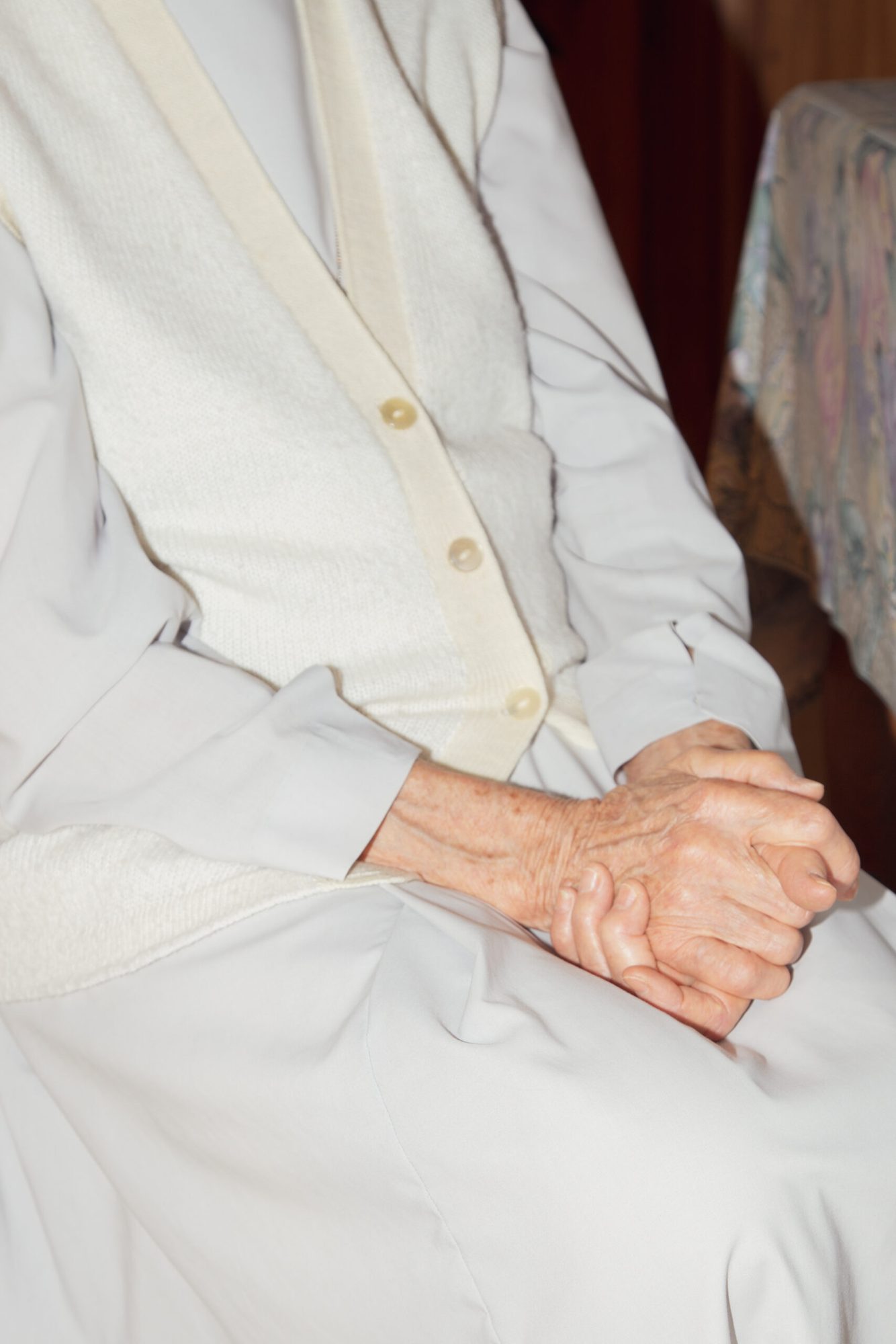
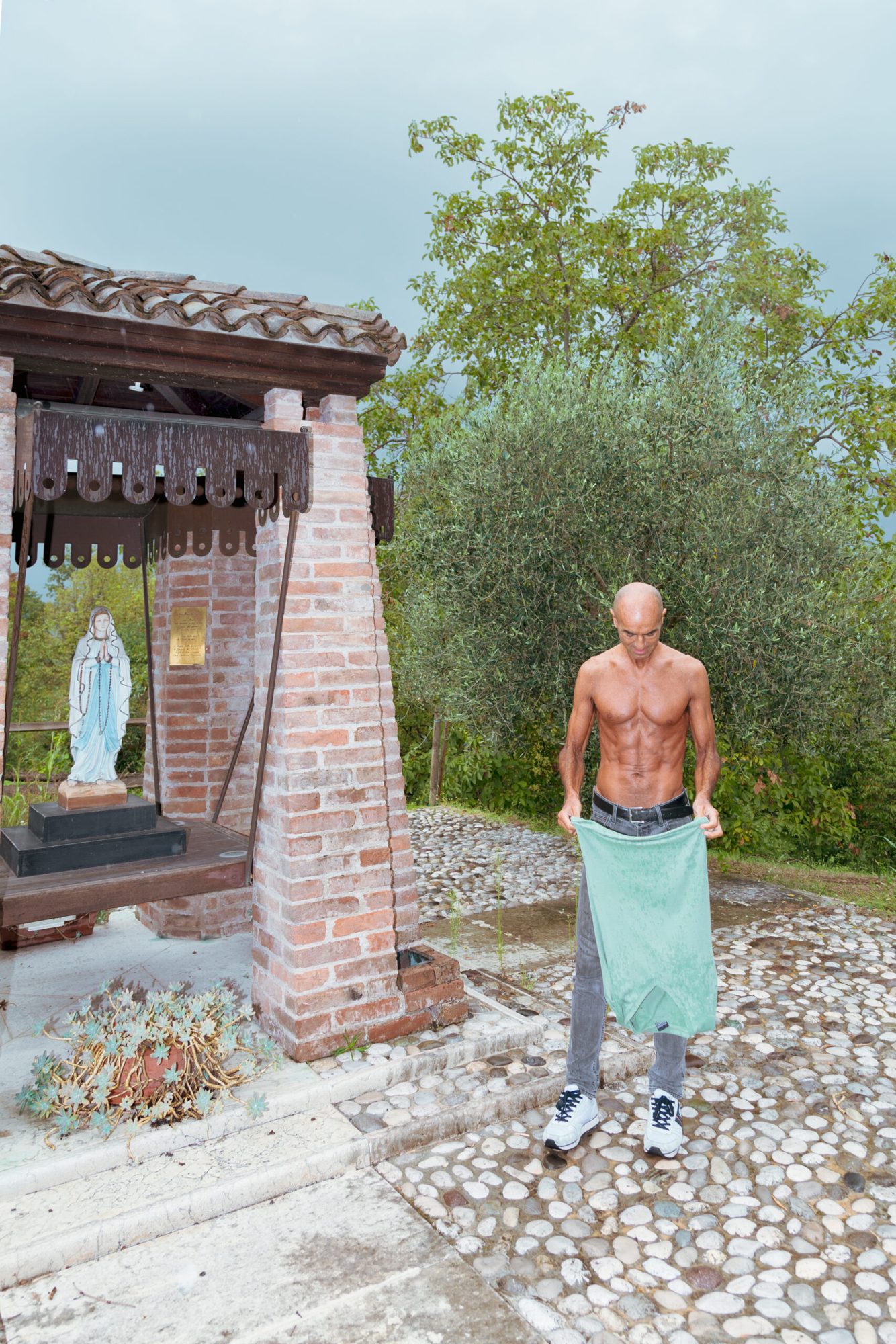
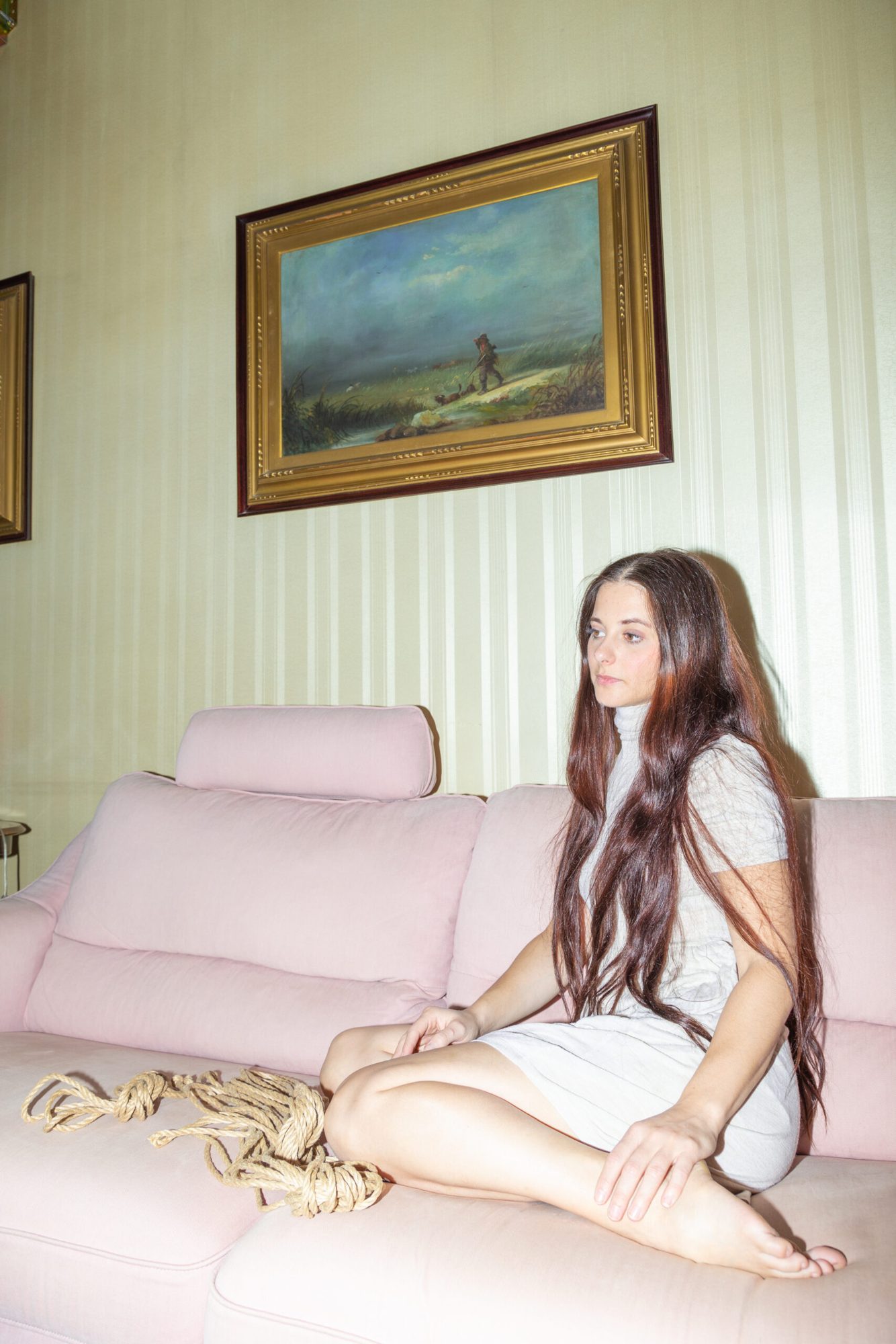
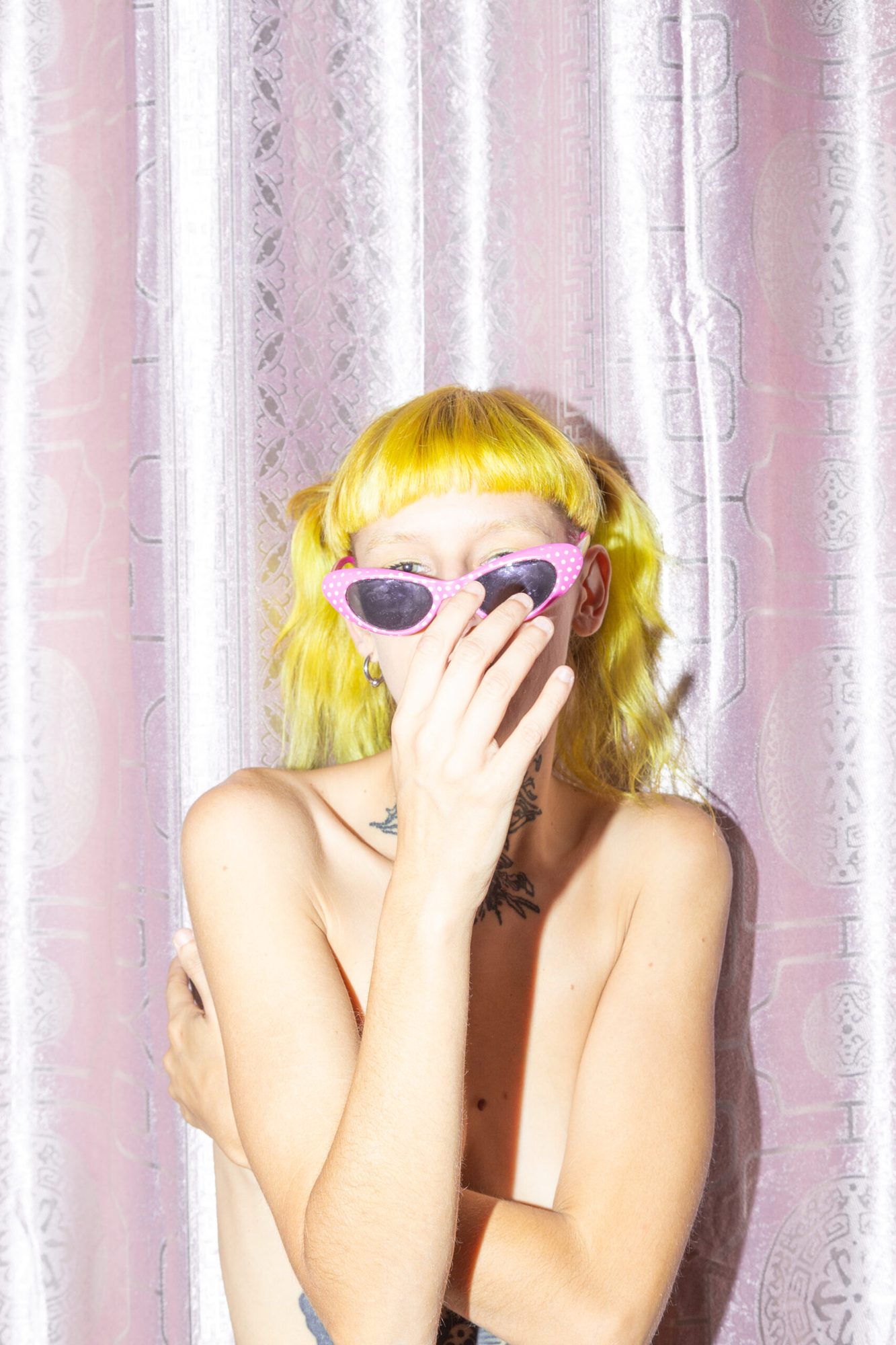
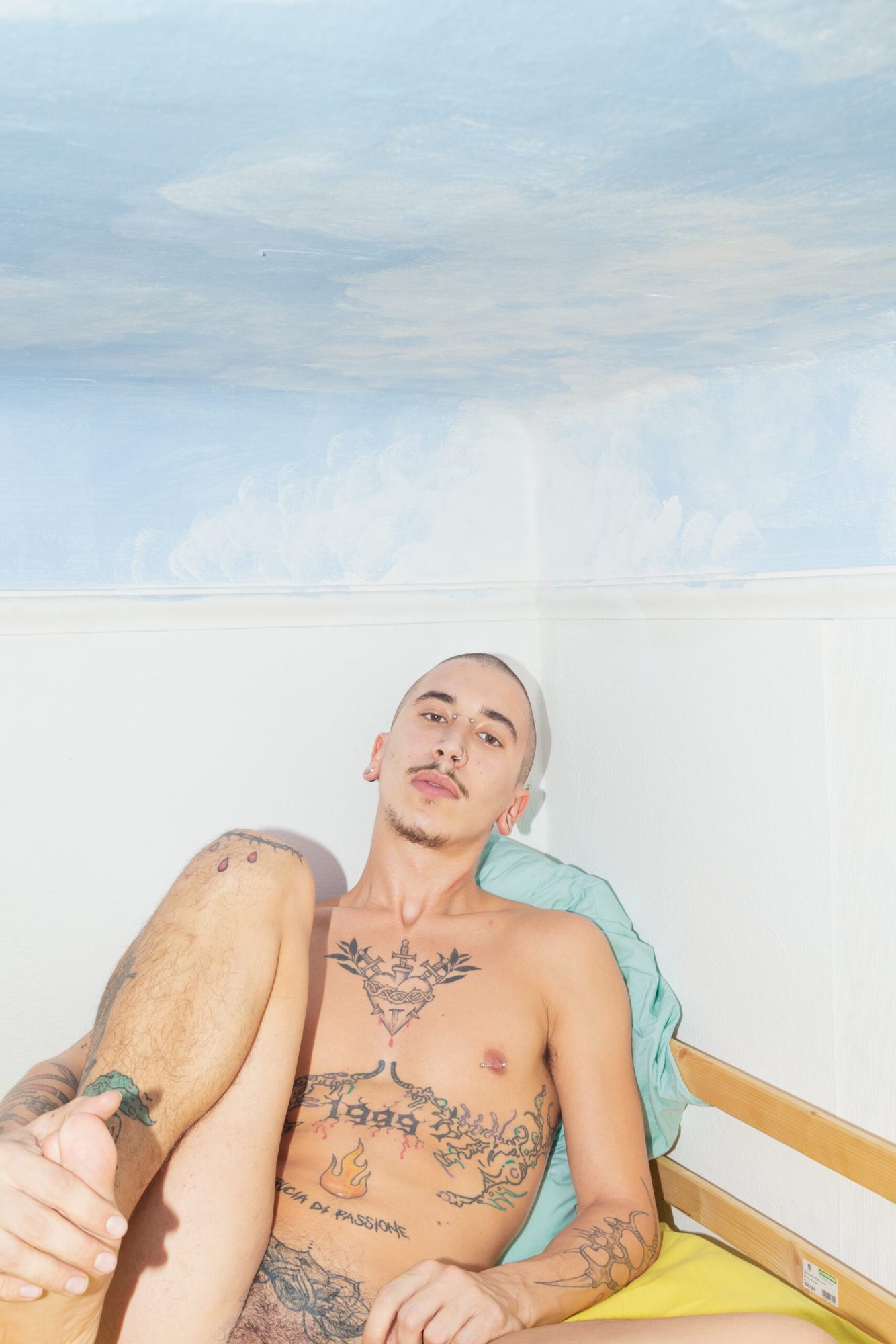
The fact that I’m being pleasured and have eyes on me, the fact that I’m in control, this gives rise to an incredibly feel-good state.
When I see cases like that, I keep going and insisting. I see that my presence is helpful to them. To be honest it is more useful to me than to them, because when I get out I feel a beautiful feeling, a sense of fulfillment and absolute joy. Even when they come out of prison they look for me to tell me, “We are fine, we are working, we got married.” These feelings bring me a lot of energy and the absolute feeling of joy.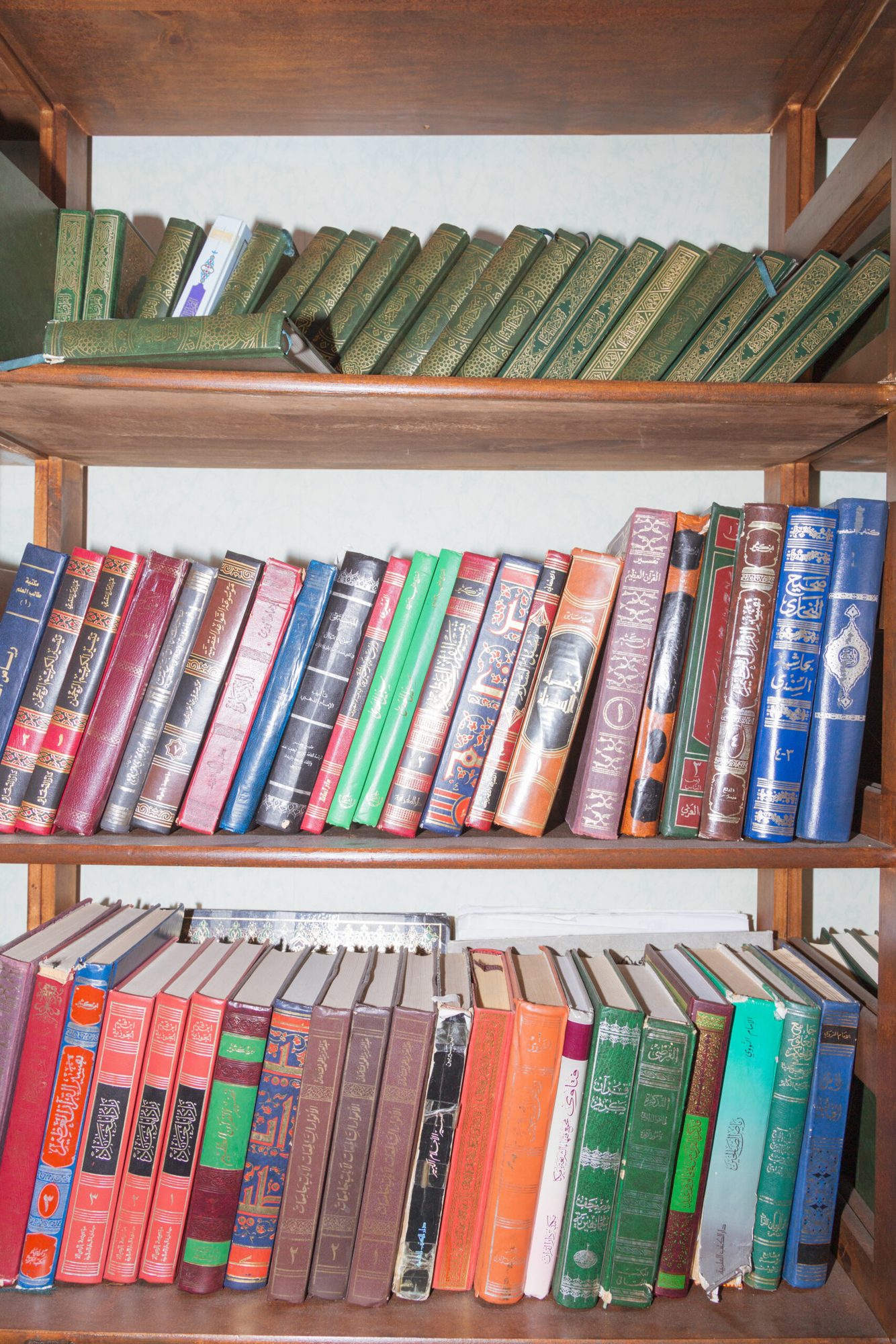
Be part of our
community
follow your favorites and connect with the creative community.
Arts & Culture
The Call