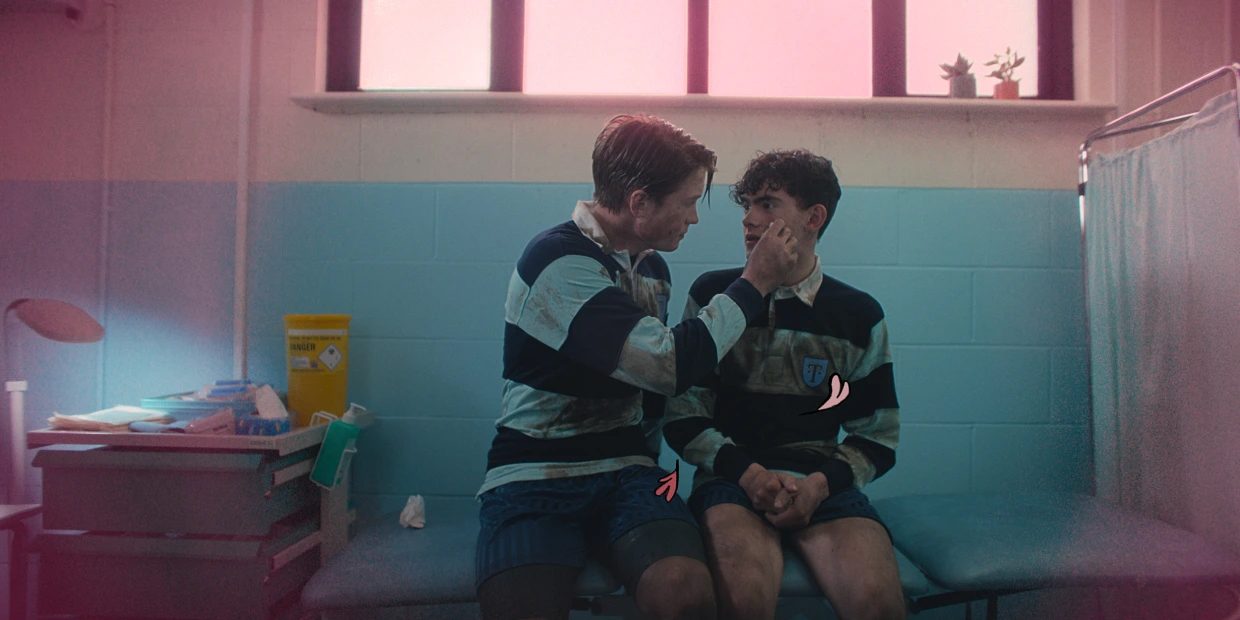
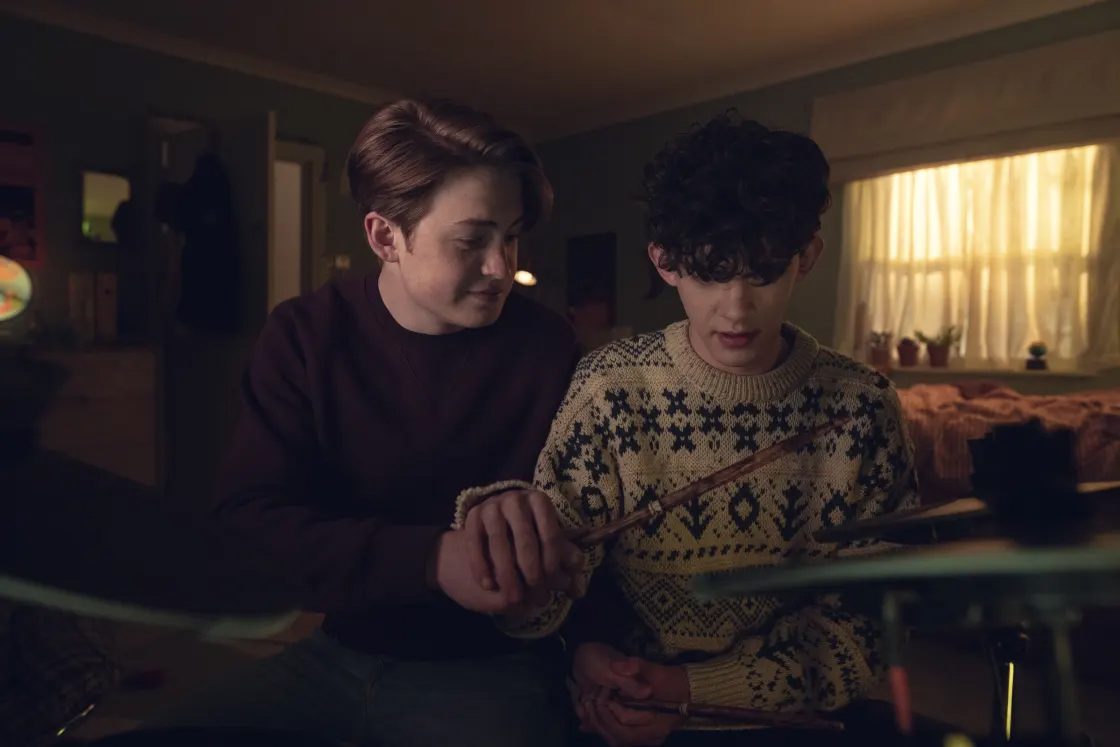
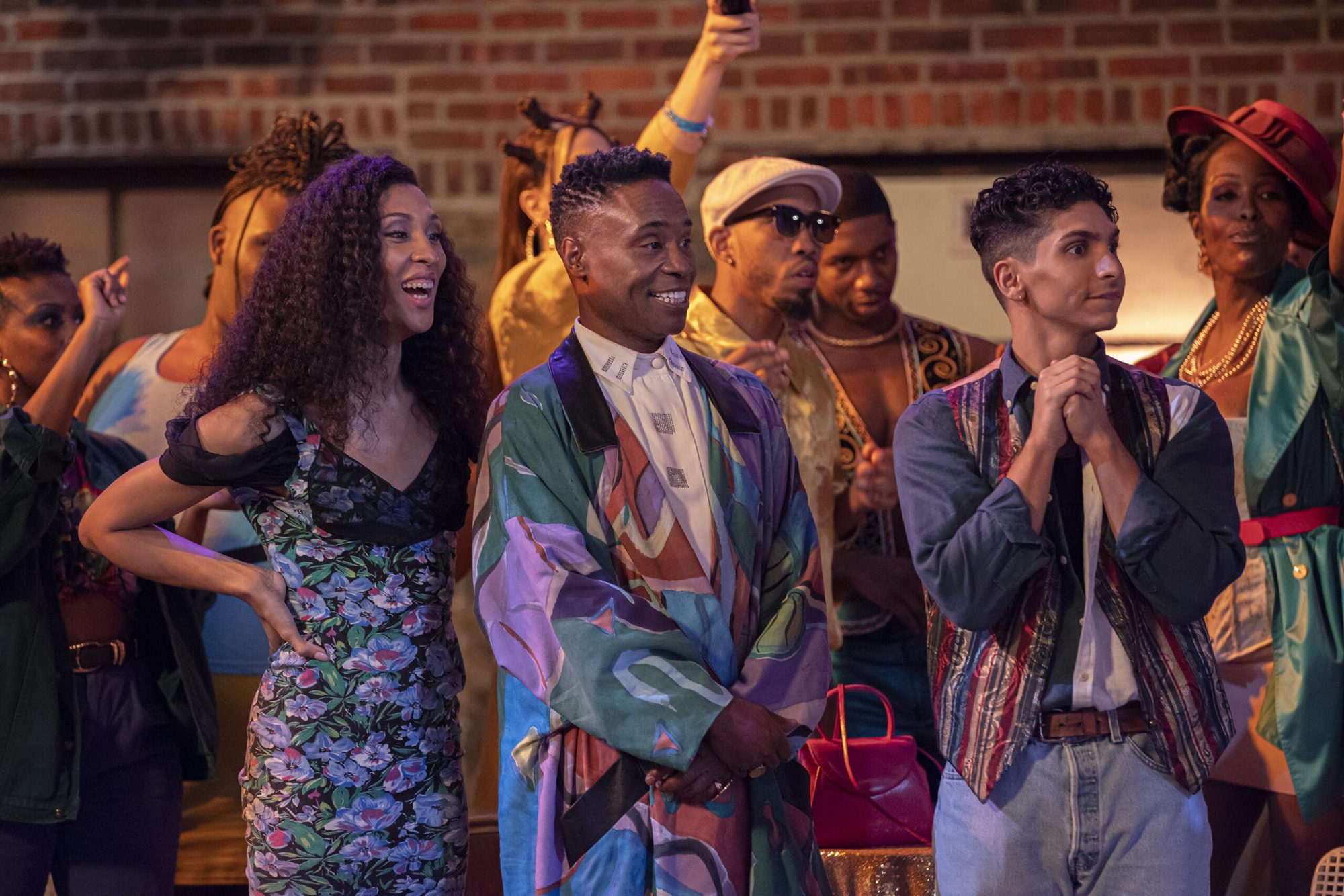
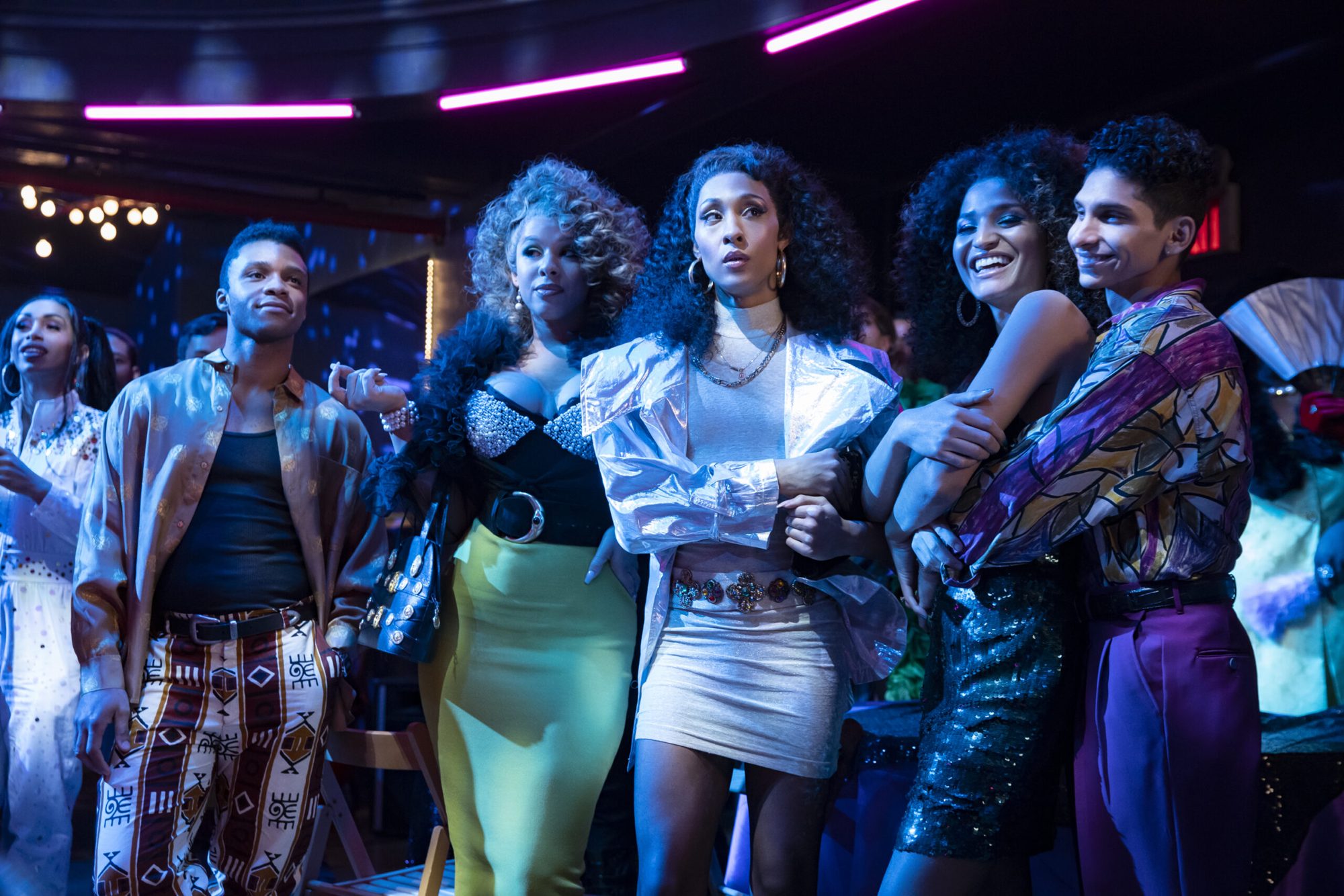
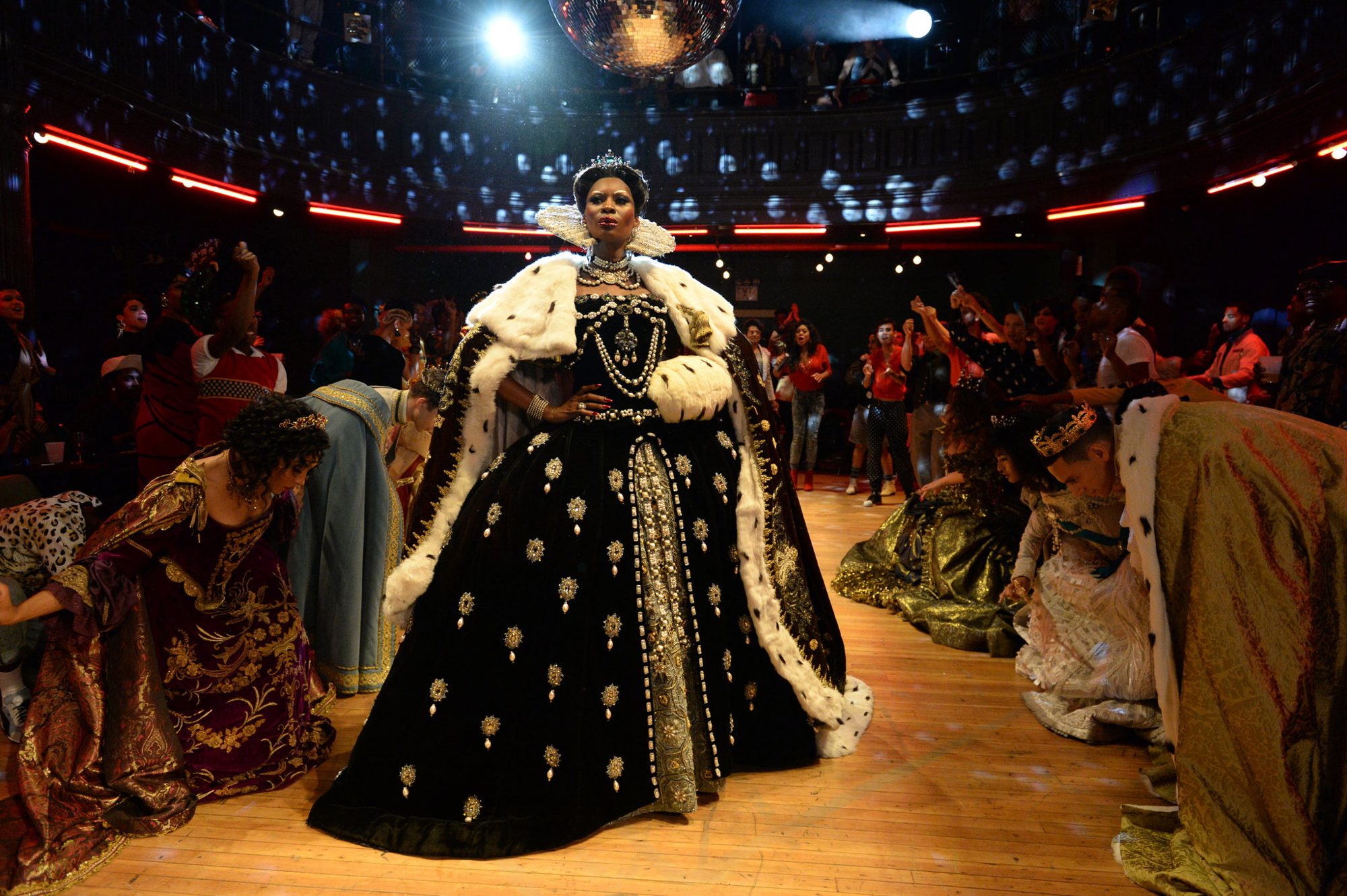
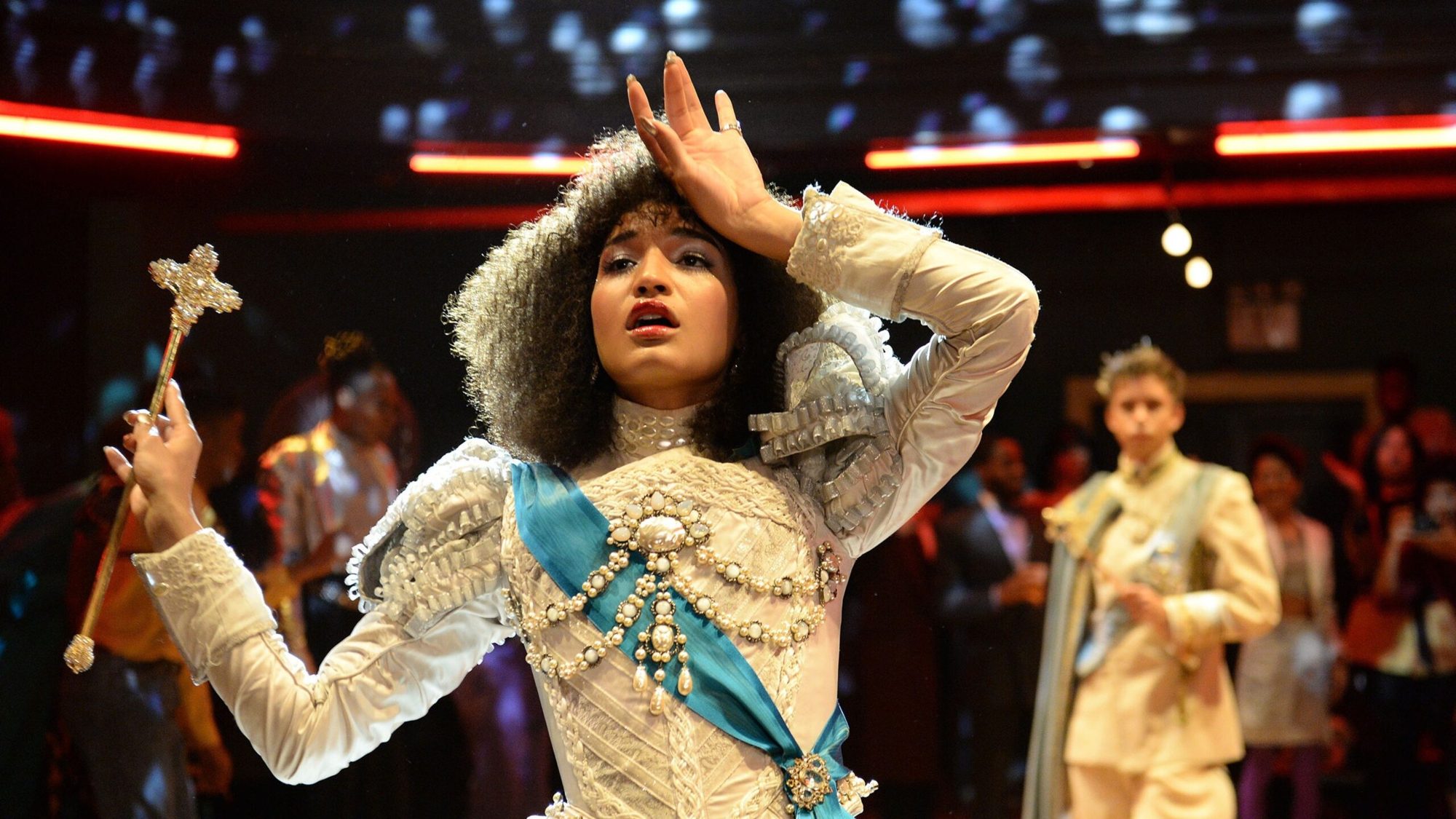
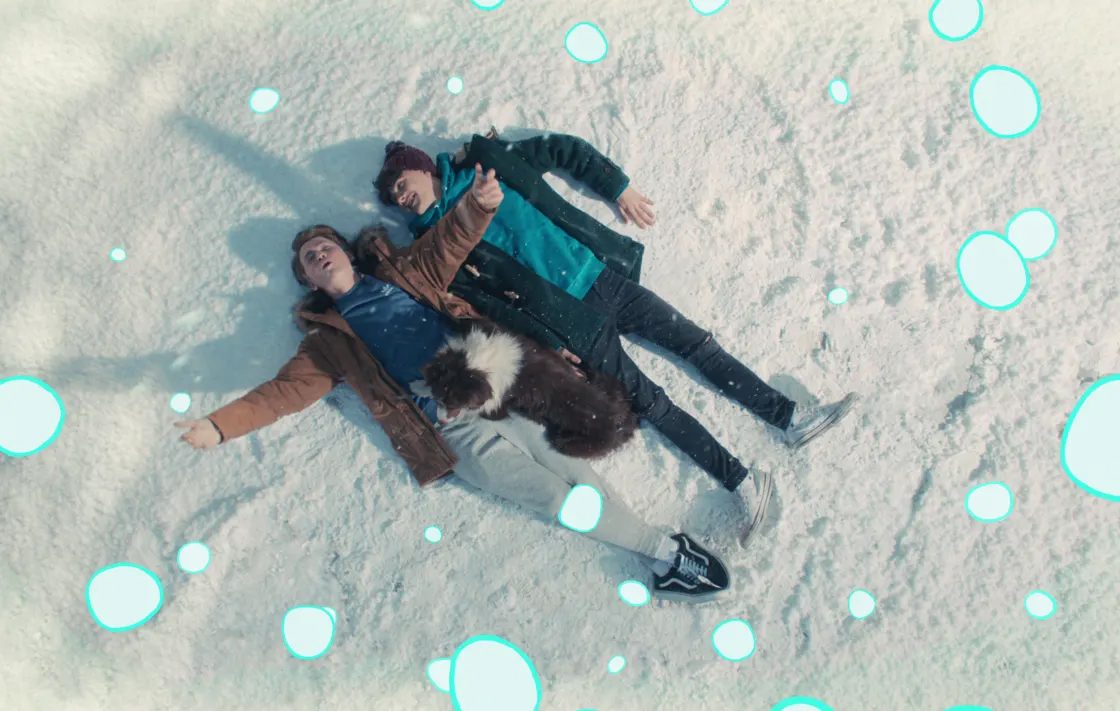
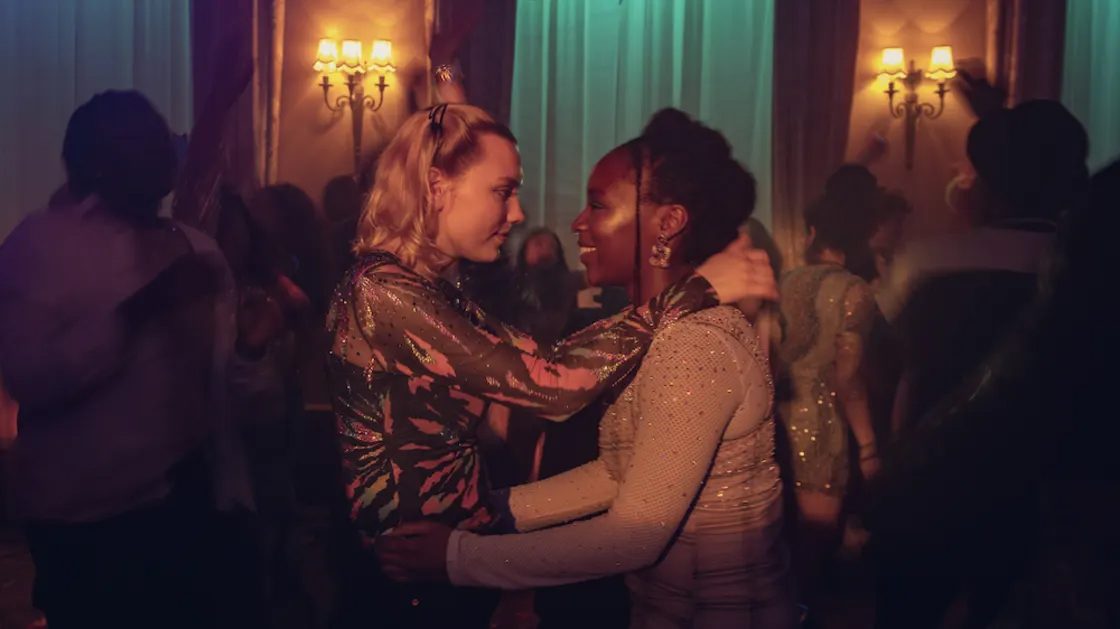
Words by Greg McIndoe “Were you out at school?” my token straight male friend asks me. We’re sitting in a beer garden on an unusually scorching day in Glasgow. My answer is immediate. No. Definitely not. Being openly gay didn’t even feel like an option when I was at school. I was years away from coming to terms with my sexuality and, even if I had already, I’m confident that I would have made every effort to hide it. Fitting in with ‘the norm’ was the aim of the game. I wonder if this would be different if I were to study now. Today’s queer landscape is vastly different in comparison, not least in terms of queer representation in the media. As someone who has been glued to the small screen for as long as they can remember, would this influx of LGBTQ+ television have impacted my own story if it had come along a little sooner? Would it maybe even have granted me the validation I needed and helped me come out sooner? Perhaps there’s an alternative universe where I give a completely different answer to my friend’s question. I have zero recollection of watching or reading a single queer romance while I was in high school – let alone one set in a high school. Now, of course, we have Heartstopper. Adapted from the webcomic and graphic novel of the same name, Heartstopper is a British coming-of-age comedy-drama series which follows the lives of love interests Charlie and Nick alongside their gaggle of LGBTQ+ pals. Much-loved both online and in-print before coming to Netflix, the comic’s largely queer fanbase breathed a collective sigh of relief when they saw how flawlessly creator Alice Oseman and her team had handled the transition to the screen. For some, however, watching this tale of boy meets boy was a bittersweet experience. Many post-teen gay men found that the proudly-queer story brought up feelings of loss and grief for the acceptance and representation they never experienced during their lonely teenage years. I remember being out drinking with a different man (this one was gay – we were on a date) and him describing how equally charming and challenging he’d found Heartstopper. While it doesn’t shy away from the trials and tribulations of modern life as a queer teenager, it does show the experience from a deliberately rose-tinted perspective. Full of classic meet-cute scenes and illustrated sparks, Heartstopper is the romantic fantasy every queer teen deserves – but we didn’t get. Many, including the guy I was on a date with, found this a bitter pill to swallow. Personally, I didn’t experience this conflict when watching Heartstopper. My only complaint about the sugary series was that I wanted another helping right away. Perhaps this is because the sweetness of what I was viewing was so far removed from my own high school experience that it didn’t even occur to my brain to compare and contrast the two. Since having had it pointed out to me over a gin and tonic, I do see the disparity. It is unfair that it took until my mid-twenties for me to see an over-romanticised love story I could relate to. I deserve to have just as unrealistic an expectation of love as straight people do. In all seriousness, this sense of inequality is felt much more strongly by older members of the gay community, not to mention marginalised groups who are still waiting to see themselves reflected in a rom-com Photo: Heartstopper Photo: Pose Photos: Pose It’s not that the first two decades of my life lacked any kind of LGBTQ+ storytelling. We had shows like Glee and Will & Grace before that. I saw gay stories, I just didn’t relate to them. When I moved to Dundee to go to art school at the age of 22, this quickly changed. As I immersed myself in an ultra-inclusive creative community and came out as gay (to the surprise of no one), I was finally introduced to relatable queer content. One of the first conversations I had on my very first-day studying illustration was a full-class debate about who would win the current series of RuPaul’s Drag Race. I hadn’t seen a single episode of the show at that point. This soon changed too. There are some clear parallels between being an art student and a contestant on RuPaul’s Drag Race. The show is essentially a bunch of queer people getting together to celebrate an art form that they adore – so is art school. The show is a safe space where people reveal and express entirely new sides to themselves, to the applause of those around them – so is art school. The show is camp, outrageous and filled with drama – so, most definitely, is art school. Where the queens on Drag Race have a Werk Room to get ready in, we had a studio to complete our coursework in. The Werk Room is famed for scenes showing queens in half a face of make-up and a wig cap pouring their hearts out about the darkest events in their lives. While our space was filled with sketchbooks and art materials rather than eye shadow palettes and portraits of RuPaul, the conversations which took place in both spaces were often very similar. As we got to know our classmates, we’d delve deep into each other’s lives; dissecting topics such as mental health, religion and body positivity. While I can see the benefit of being introduced to the freeing art of drag at an earlier age, it does feel like I was introduced to RuPaul’s Drag Race at just the right time as it mirrored my new queer life so perfectly. These days, Drag Race has become a comfort blanket for me. Watching the emotional meltdowns and outlandish fashion feels like being wrapped up in warm memory, reminding me of my days at art school in more ways than one. Since I graduated three years ago, there has been a never-ending feast of LGBTQ+ representation on screen – and I have devoured every morsel of it. With every affirming piece of gloriously gay media I consume, I wonder about the positive impact it could have had on my younger self. Every young person could benefit from shown Pose, a glittery drama set in New York City’s ball scene in the 90s which takes a gut-wrenchingly honest look at how the AIDs crisis tore through the queer community. Closer to home, It’s a Sin gave a similarly unflinching portrayal of how the epidemic devastated the community in London at the same time. Knowing now how important being literate in queer history is, these are the shows I most wish I could go back and show my younger self. There are so many more lighthearted shows I’d love to play for young me too. Schitts Creek could show me a hilarious world where homophobia didn’t exist. Pulling could enlighten me on some of the best and worst aspects of gay culture. I Kissed A Boy could give me a glimpse at how messy and fun it is to date other men. When looking back at all of these groundbreaking shows, I can’t help but wonder: what if they had been allowed to break that ground a little sooner? What If I had grown up with affirming representation being the norm rather than the exception? I’ll never know how things could have been different for me. One thing I can be certain of is, while growing up surrounded by queer representation was not my reality, it has since become the reality for an entire generation. The uplifting idea of queer kids having their experiences reflected on screen and feeling seen as a result is enough for me to rise above any feelings of envy I have on behalf of my younger self. With that thought, I snap back to the present moment. While this retrospective pondering is an interesting pastime, we are where we are. I am in a beer garden in sunny Scotland having drinks with one of the very few straight male friends I have. When asked if I was out at school, I didn’t reply with a monologue about how better queer representation could have positively altered my experience. “No, I wasn’t out as gay at school. Everyone knew I was though. I was never very good at pretending to be straight,” I laughed it off, moving the conversation along. He’s just here for a pint, he doesn’t deserve a lecture. The fact that my friend has been consistently better represented throughout his entire existence just because of his heterosexuality isn’t his fault… but still, it does feel as though he should surely pay for the next round of drinks. Photo: Pose Photo: Heartstopper Photo: Heartstopper Explore art, photography and design that inspires you. Discover new artists, Powered by Publications Social LegalQueer Representation On The Small Screen
Be part of our
community
follow your favorites and connect with the creative community.
Arts & Culture
Queer Representation On The Small Screen