
Plastic Fantastic
by Fabrizio Mifsud Soler.
Banner Image: Schirn Presse, Plastic World, Ausstellungsansicht
Is life in plastic fantastic? If you ask 90s pop sensation Aqua they’ll confirm and so would Barbie (2023) stars Margot Robbie and Ryan Gosling probably; if you ask them nicely. In the meantime however, until October 1st 2023, the Schirn Kunsthalle Frankfurt is dedicating a large thematic exhibition to the colourful history of plastic in visual art: Plastic World.
An extensive assessment of the artistic use of the material from the 1960s until today, the show’s spectrum extends from the euphoria of pop culture to the futuristic influence of the space age, and from the trash works of Nouveau Réalisme to the ecocritical positions of recent times. It includes objects, assemblages, installations and films.
Plastic is everywhere, that’s obvious. It is cheap and permeates the world we live in, not to mention the insides of a large number of fish too. Whether hard or flexible, transparent, opaque, patterned, smooth, delicate, or colorful, today plastic can be used to produce nearly anything. Synthetic substances had their major breakthrough in the 1950s when the plastic age was born. Since then, the material has became both a symptom and symbol of mass culture. Plastics also found their way into art early on due to their enormous design possibilities, quickly becoming a central material and a vehicle of innovation.
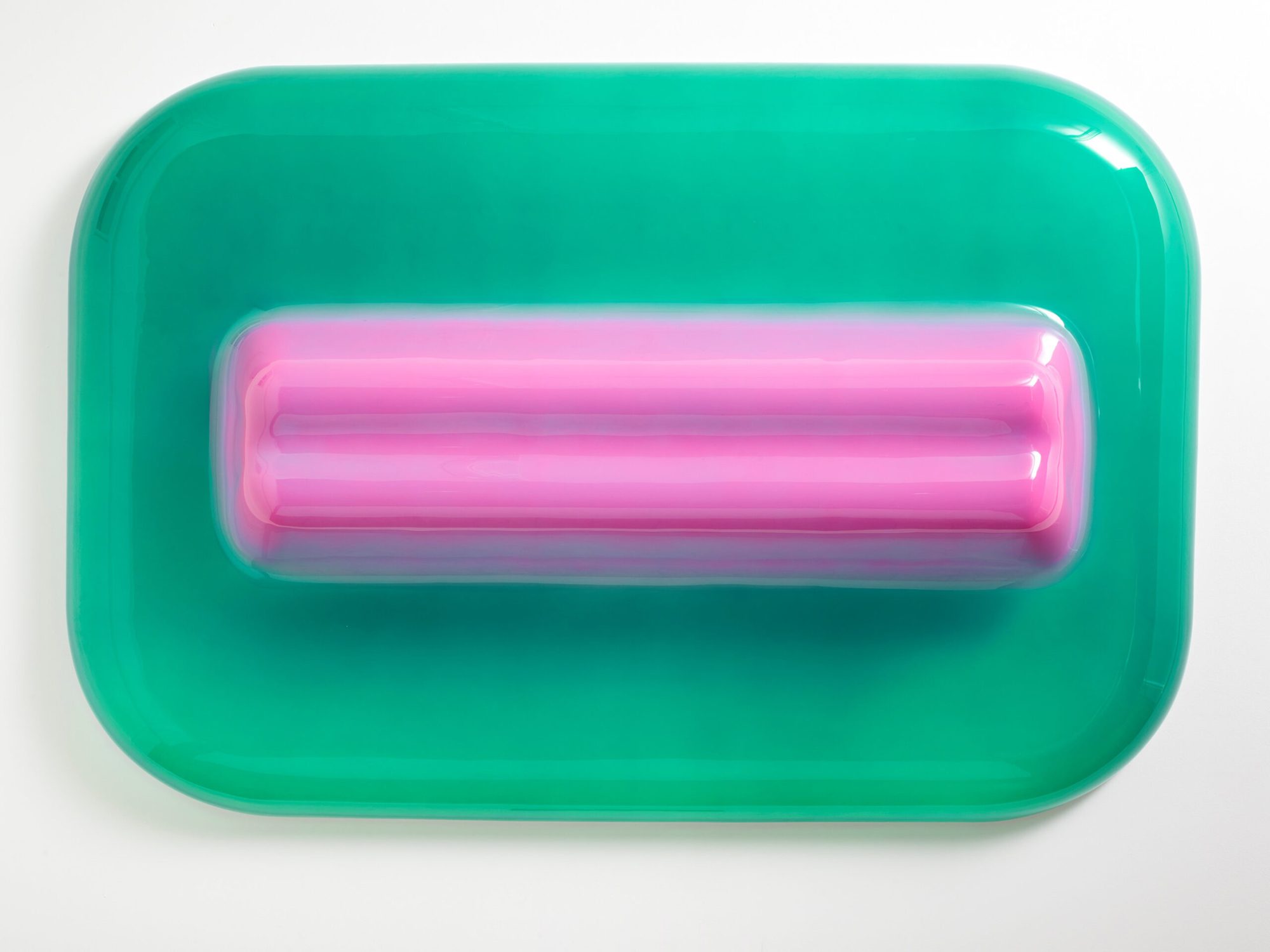
Photo: Schirn Presse, Craig Kauffman, Untitled Wall Relief.
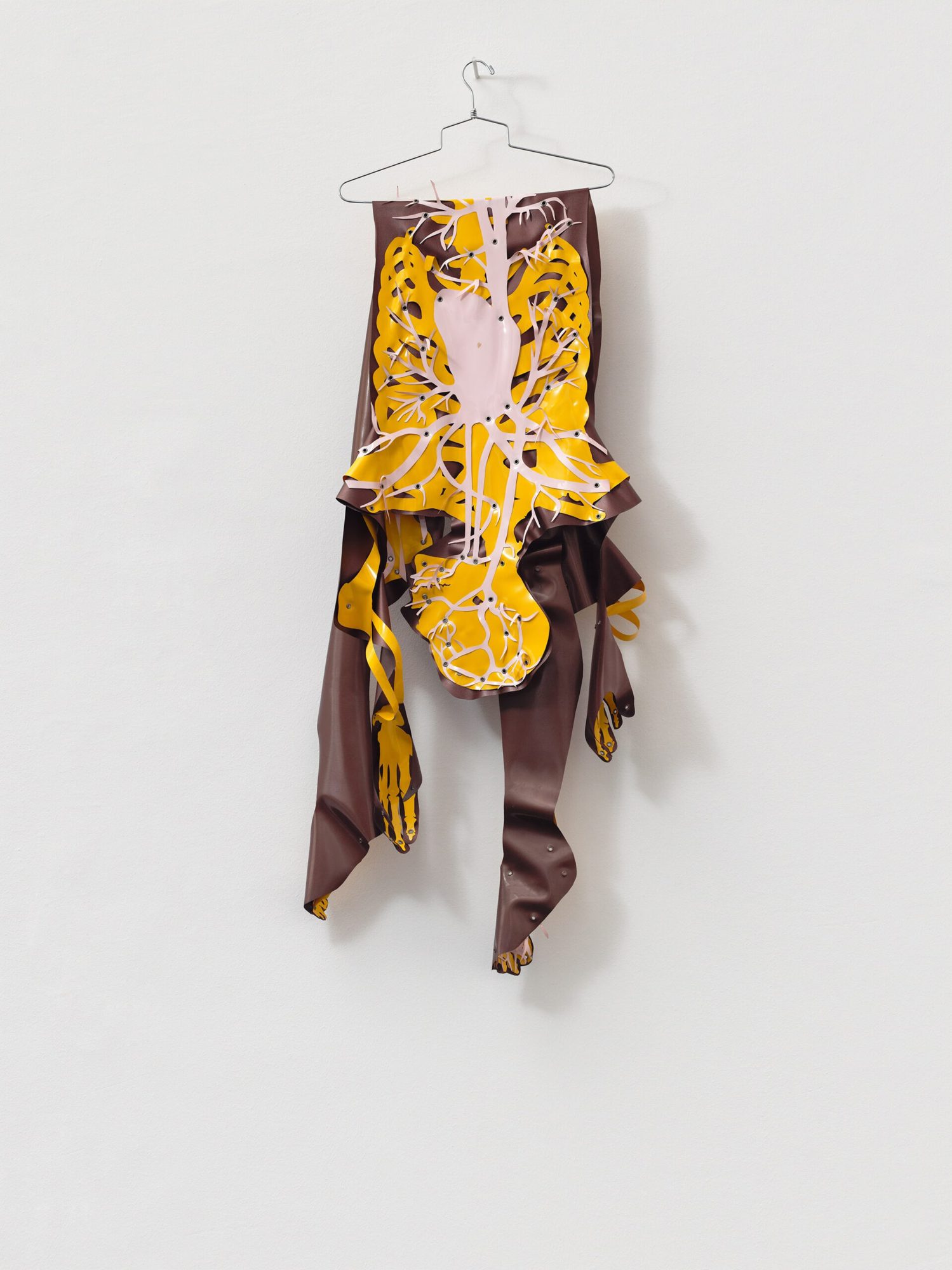
Photo: Schirn Presse, Kogelnik Man with Ingredients 1970.
Photo: Schirn Presse, Plastic World, Ausstellungsansicht
Pop Art celebrated the new artificial and inexpensive material with its colorful brilliance and bright hues. Plastic was used in fantastical-seeming spaces and environments; it was inflated, foamed, and poured at happenings. The fascination with space exploration, the moon landing, and high-tech materials also inspired both visual art and architecture to create airy constructions and progressive spatial concepts.
At the same time however, besides minimalist works such as those of the Finish Fetish artists at the end of the 1960s, there were also accumulations of trash which examined the excesses of mass consumption and the ecological dimension of plastic. In light of the enormous spread of plastics and the polluting of the environment, such perspectives are increasingly being taken up in artistic works today.

Photo: Schirn Presse, Gino Marotta, Eden Artificiale.
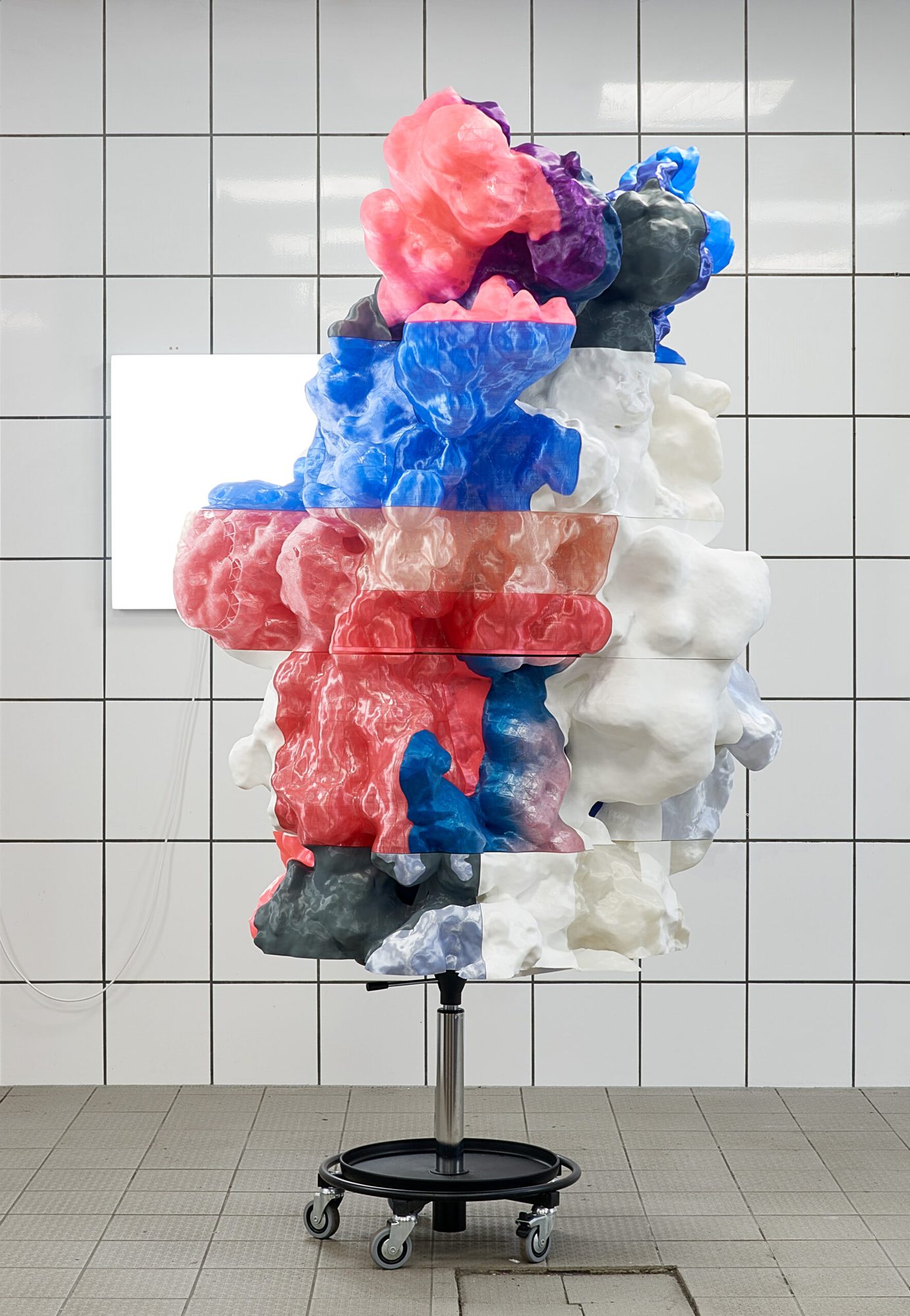
Photo: Schirn Presse. HazMatLab, Coral Cluster, 2021.
Dr. Sebastian Baden, the director of the Schirn Kunsthalle Frankfurt, states: “With ‘Plastic World’, the Schirn is presenting a hitherto unique and long overdue overview of the use of synthetic materials in visual art. This history of the plastic age testifies to a pleasure in innovation and creativity. From an ecological perspective, however, plastic is currently developing a particular urgency; it is still ubiquitous in today’s mass culture. Our exhibition points beyond purely aesthetic and formal aspects. Rather, it invites a critical examination of this formative material culture.”
Plastic World makes clear how plastic as a successful, multifaceted material has gone in its brief history from being an embodiment of progress, modernity, a utopian spirit, and a democratization of consumption to being a threat to the environment.
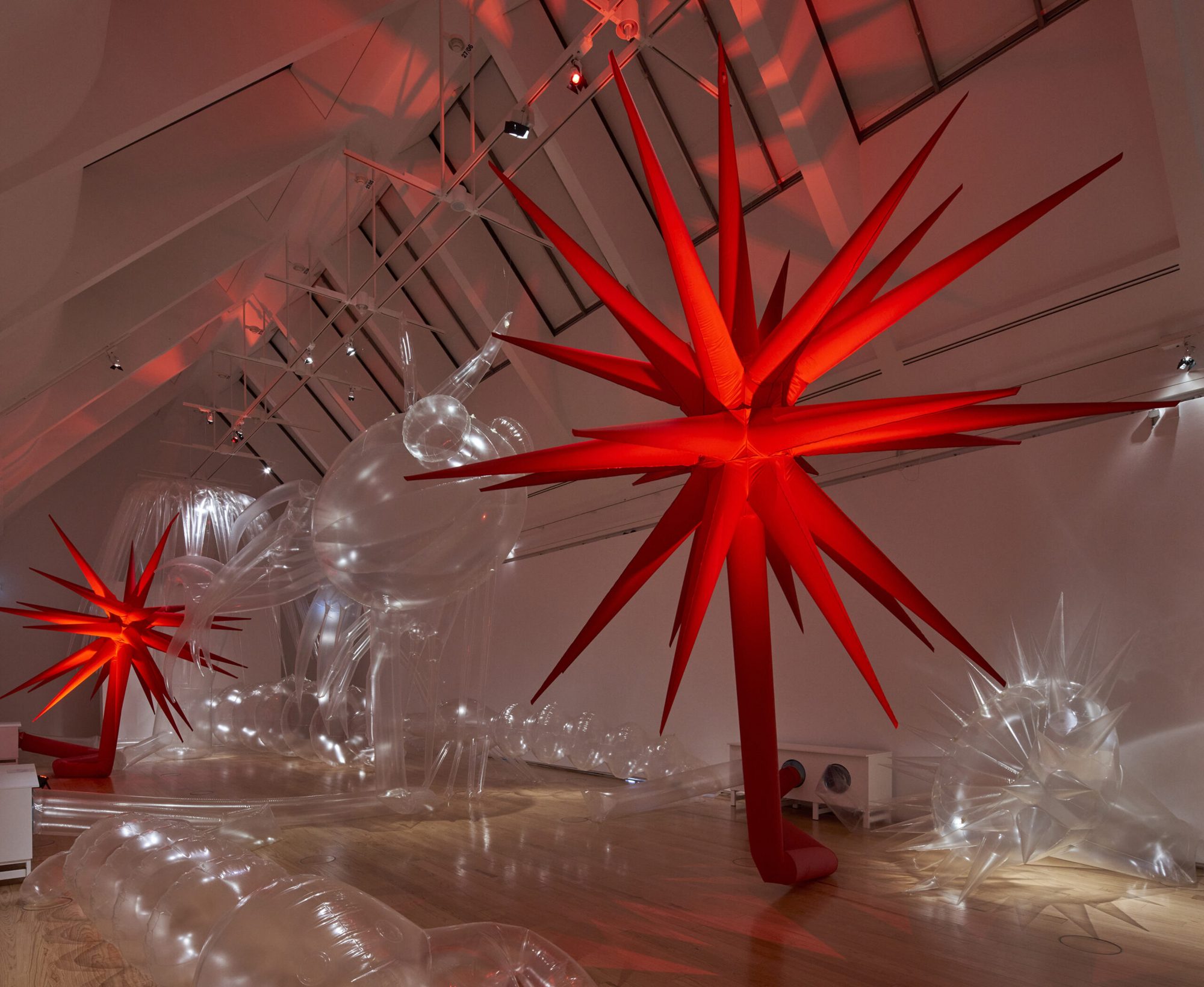
Photo: Schirn Presse, Plastic World, Ausstellungsansicht.

Photo: Schirn Presse, Plastic, World, Ausstellungsansicht.
Visit at: SCHIRN KUNSTHALLE FRANKFURT, Römerberg, 60311 Frankfurt am Main Until October 1, 2023
www.schirn.de
Be part of our
community
Explore art, photography and design that inspires you. Discover new artists,
follow your favorites and connect with the creative community.
Powered by
Publications
Social
Legal