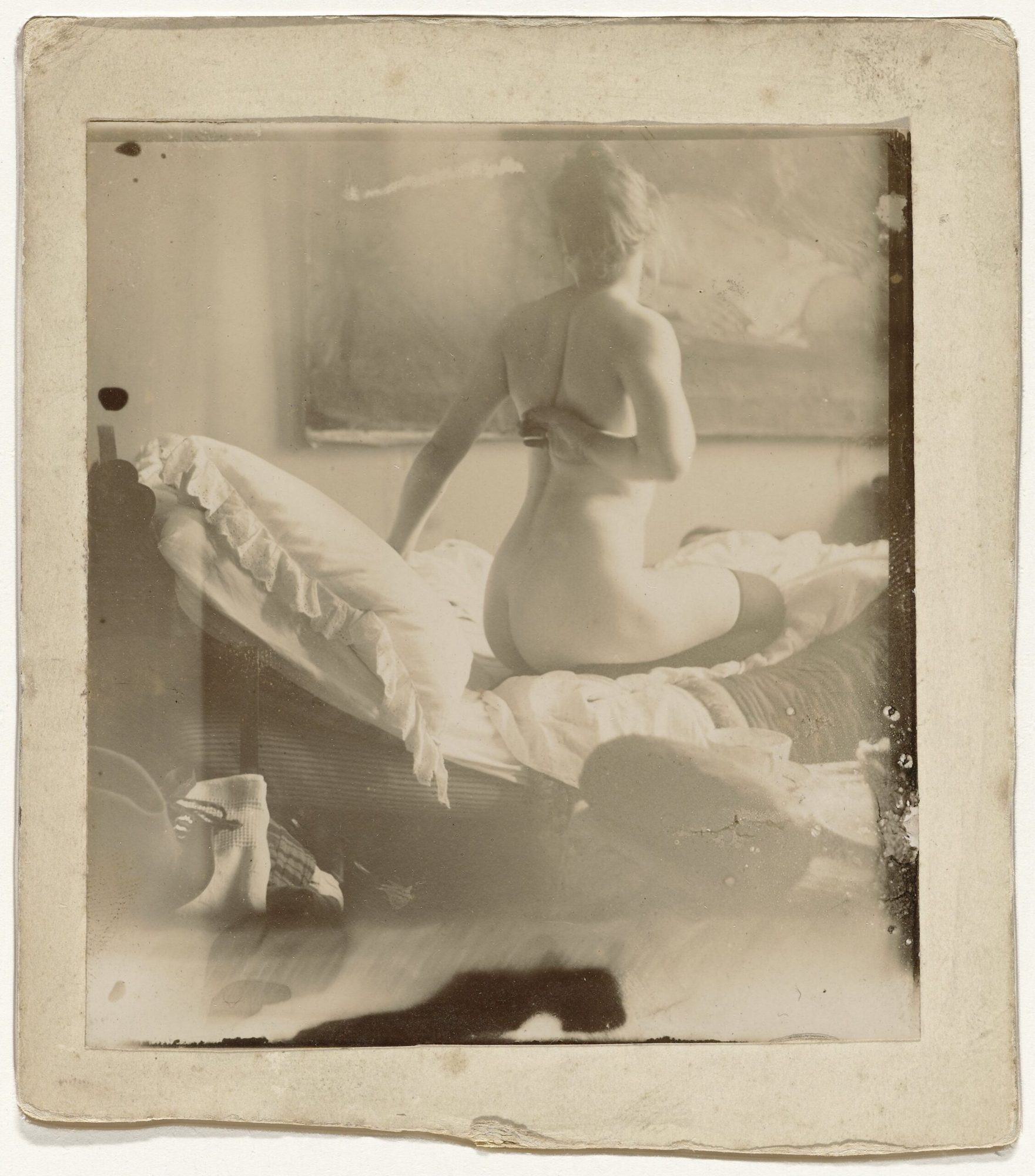
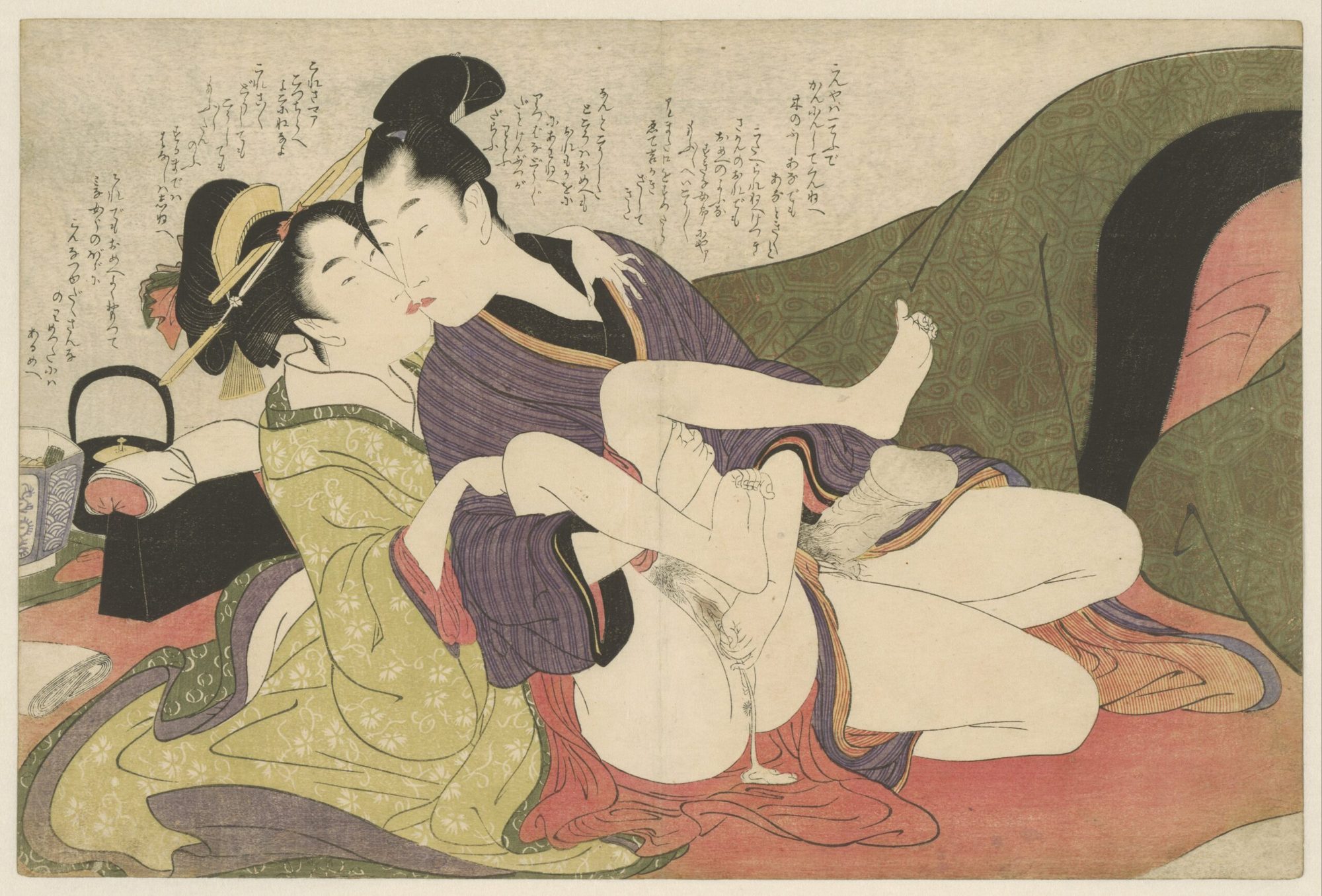
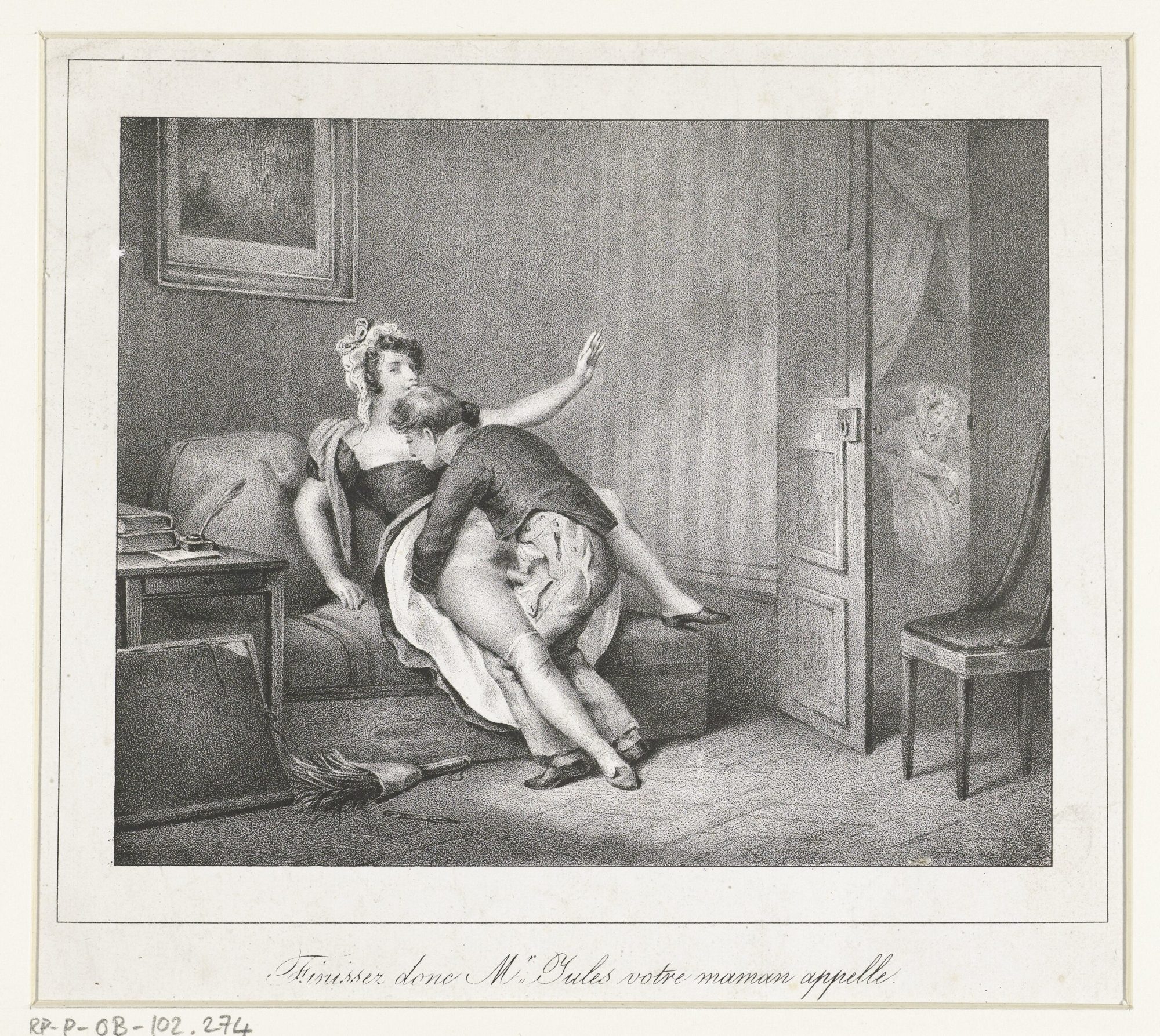
Words by Lisa Gwen Visuals by Rijksmuseum There’s a fine line. Yet a distinct one, nonetheless. Similar to the one on your clear blue or home test. But this has nothing to do with pregnancy or bloody COVID. This is about porn and erotica, and the possibility of distinguishing between the two. Because let’s face it, the two are often confused and are possibly also considered interchangeable in the minds of many. Really, it all boils down to one thing; perhaps two: degree and intention. With porn, the intention is always clear from the onset. Arouse, titillate, provoke… all within a strictly sexual sphere. There is always a distinct build up, and obviously, a climaxing (pun intended) of action. Pornography might possess a thin aesthetic veil wherein vids or stills could be visually pleasing; your clip of choice might even proffer a couple of tableaus, daring costumes (at least at the get go) and the composition of frames might be symmetrical, or present a balanced palette, yet this is generally relegated to the preliminaries, to the foreplay sesh… fast-forward a few minutes, and you’re zoomed into the details and action. The purpose of porn is singular: cum. Alone, together. At a naughty little private cinema, under the bed sheets, at your desk, in your loo at work. Wherever tickles your fancy. Porn is, and has been created specifically to satisfy an itch. Today, porn is created for ‘users’ to click, stream, download, watch live shows, engage. You watch; you cum; you spend. And in the majority of cases, what you watch are scenes and scenarios, which we might fantasise about or even, have a fetish for; scenes which present a detached sense of reality, which many only dare engage in whilst in complete privacy. Ultimately, most of what ‘users’ are fed, is highly unrealistic: the models – botoxed, Brazilian-waxed, manicured to near perfection, buffed and sculpted, extremely well-endowed – all elements to heighten our unrealistic expectations which are conveniently clouded by raised heart rates, sweaty palms and throbbing genitals. Erotica on the other hand, can come in various forms. Erotic literature for one, allows the reader to create their own visuals and mental images, and consequently gives them the opportunity to immerse themselves in the plot and happenings; you build and conjure your own scenarios – they are not (necessarily) handed to you on a silver platter – as is the case with pornography – and one can more readily identify with characters or contexts. Erotica, whether it comes in the format of photography, painting, sculpture, poetry, prose or literature, even sound and music – has an origin in the high arts. Conversely, pornography is strictly commercial. In 2011, American psychologist Leon F Seltzer wrote: “Unlike pornography, it [erotica] doesn’t appeal exclusively to our senses or carnal appetites. It also engages our aesthetic sense, our judgment about how this or that figure illustrates an ideal of human beauty… What finally determines the work’s eroticism is how the artist approaches their subject.” The very word, erotica, is derived from the Greek word Eros (n.), the god or personification of love, (also of the carnal kind); however, its etymology could also date further into history, and might have evolved from the words eran, eramai, erasthai – which signify, to desire. The premise of ‘desire’ presents a shift that moves away from the overt crudity of sexual stimulation, ejaculation or post-coital satisfaction. It denotes want, lingering, and therefore also the attainment of ‘something’ not readily at hand. Granted, both erotica as well as pornography can elicit the same response, yet the ‘quality’ of the content, the degree to which we are exposed, as well as the intention marks an inherent difference. Pornography is gratuitous, it’s all about sex; whereas many claim erotica deals with sexuality, physical intimacy; it celebrates the human form, rather than exploits it. Fine line? Hardly. Powered by Publications Social LegalA delicate
divide
Join the Club
Like our stories?
You’ll (probably) love our newsletter.
Read more
Arts & Culture
A delicate divide