
An ode to Käthe Kollwitz
Words by Anonymous
Visuals by Käthe Kollwitz
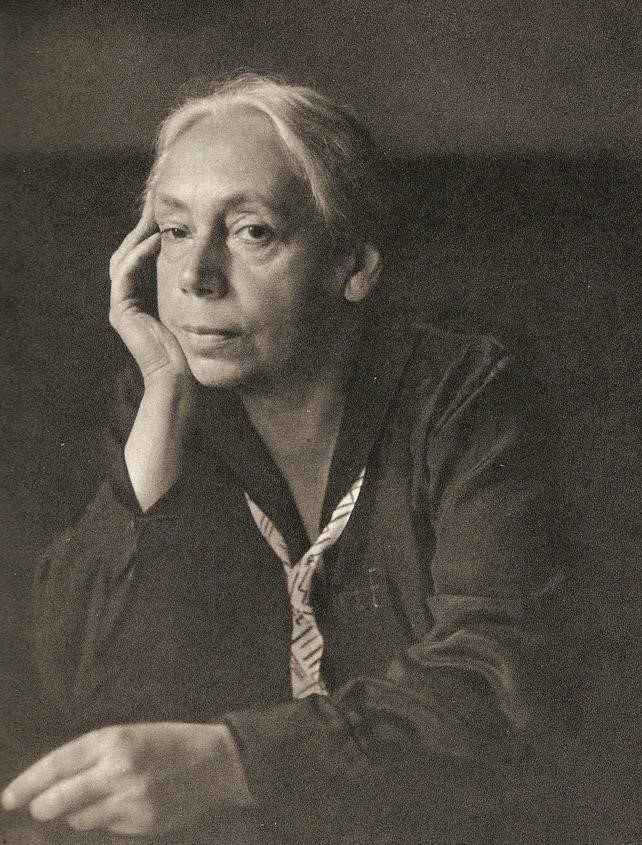
Whilst going through Kollwitz’s biography, one can perhaps understand the context and background surrounding the nature of and the tone in her work. Although such is not necessary to comprehend her work, her history helps in understanding her constant visual representation of such a murky theme. At an early age, Kollwitz, lost one of her siblings, which affected her health profusely, resulting in acute anxiety. A few years later, during World War I, she lost one of her sons, which caused a protracted case of depression.
On close examination of Käthe Kollwitz’s work, one can immediately identify her oeuvre as an autobiographic representation of her life events as well as a manifestation of her daily turmoil. The medium she chose or preferred to use is also an indication of the subject matter, which she obsessively portrayed, in a quasi attempt to exorcise her inner demons. Her work is very dark and bleak; Kollwitz does not use any colour to portray her figures; her canvases are dark, irrespective of the subject she represents. There is death and anguish all over the pages of her work as well as her figurative sculptures. No happiness emanates her work; the references are consistently sinister and dreary. She succeeds in making the viewer taste, if not feel her pains, trials and tribulations. The viewer cannot help but feel a certain amount of distress upon viewing her works.
When I enter a room full of people, the odds of falling in love or having a sexual encounter with one of them is equal. I’ve never given much thought to appearances. As it happens, most of the time, I usually dislike how they look and find one hundred flaws in the way they dress, their hair, etc… Yet after a few engaging conversations, I actually find myself getting attracted to them. Their bad fashion sense slowly starts shifting towards endearing, and their hair, well, you start making some exceptions. Then there are a few cases where the stars align, and the shell is just as intriguing. These are perhaps encounters of pure perfection.
Growing up I was confused whether I was gay or straight… The notion of sapiosexuality was beyond my imagination. I wasted a lot of time thinking that there’s something wrong with how I felt – I dated beautiful people for months and I couldn’t get to home base because the mental connection was just not there. In my early years, my professors were typically the lone bright individuals I was around. God knows how many crushes I have had since I was 7 years old… I distinctly remember when I was eight, and I had a crush on my primary school teacher… She was quite a voluptuous woman, and I remember imagining her on a swing, naked, going back and forth. That thought just before going to sleep, used to keep me excited all day long. Also – in the same dream there were some pandas running around. Don’t ask why. I was eight years old.
The spectator can construe the meaning or origin of her works even without going through the hassle of analysing her life. The level of engagement and empathy is perhaps based on the notion that we perceive things based on our past history, present understanding and future hopes / beliefs (Berger, 1972).
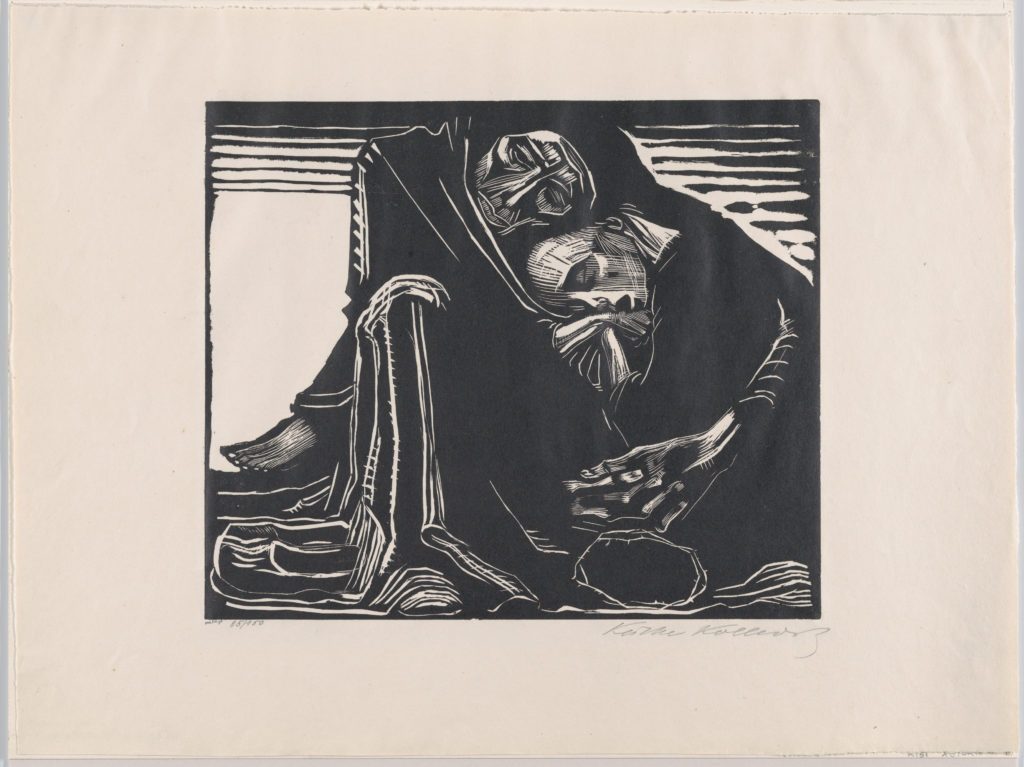
Other captivating works by Käthe Kollwitz are her series of self-portraits. In these portraits one can almost feel the pain she was going through at the time. The lines are so harsh; it feels as though she was stabbing rather than drawing on the paper; a definite battle of sorts between the medium, the surface and her need for an outpouring of emotion. The darkness, which surrounds these images, is very powerful – the expressions etched on her face, disquieting. There is not much room for any other interpretation other than grief and sadness.
Join the Club
Like our stories?
You’ll (probably) love our newsletter.
Read more
Powered by
Publications
Social
Legal